Hsieh Ru-Sung Art Park Introduction
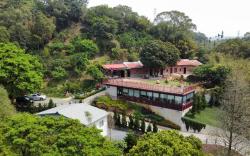
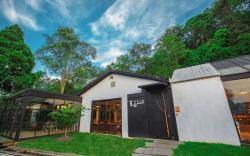
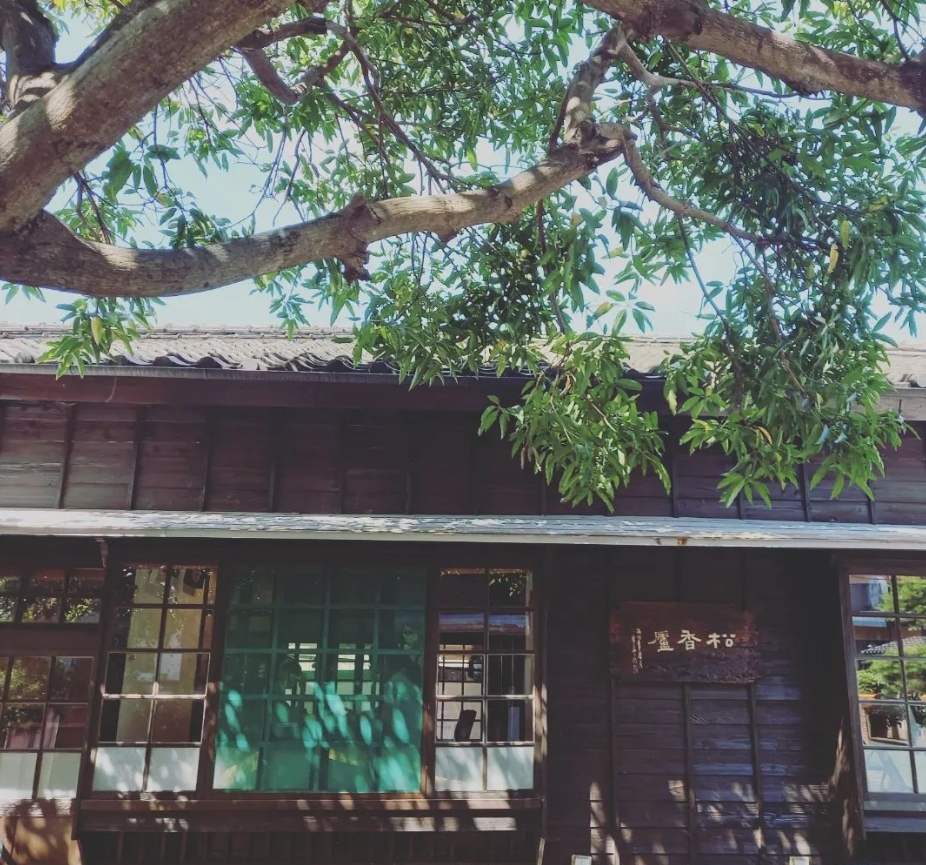
Hsiang Ru-Sung Art Park was established to commemorate the important senior artist Hsiang Ru-Sung in Hsinchu, aiming to preserve his former residence and revitalize the space for reuse. This park is not only a hall of art but also a source of inspiration, allowing people to gain a deeper understanding of the artist who has had a profound impact on Taiwan's art history. - Hsiang Ru-Sung (September 20, 1922 - April 14, 1992) - • Artistic Achievements: Hsiang Ru-Sung was a contemporary watercolor painter of Hakka descent in Taiwan. Since 1950, his painting style has combined Impressionism, Cubism, and Fauvism with traditional Eastern calligraphy lines and brushstrokes, creating a unique painting style. He participated in numerous provincial exhibitions, the Taiwan Art Exhibition, the Ching Yun Exhibition, and the Provincial Art Exhibition for Educators, receiving multiple awards and attaining exempt status from review in provincial exhibitions, with works collected by institutions such as the National Taiwan Museum of Fine Arts. • Teaching Style: Guided by Japanese teachers such as Shiozuki Momoko, Okawa Takeo, and Li Ze-Fan, Hsiang was passionate about artistic creation and worked diligently. In his teaching, he emphasized discipline, requiring students to clean the classroom before art classes, which left a deep impression on them. His life was structured, waking up at five in the morning and arriving at school on time at seven, earning him the nickname "the person who wakes up the sun." Hsiang loved his homeland, deeply engaged in Taiwan, and became "the interpreter of Hsinchu County." - Architectural Features of the Art Park • Roof Design: The park’s roof is designed in the Japanese "Irimoya-style" with a gentle slope, covered with traditional Japanese tiles. "Demon tiles" are mounted at the ridge and the ends of the eaves, and triangular gable walls contain ventilation windows to prevent moisture in the wooden structure. • Wall Structure: The walls are divided into three sections: the upper part is "Zhenbi" (a solid wall made of wooden lathing and plaster), the middle part has wooden grid ventilation windows, and the lower part is either "Shoji" (paper sliding doors) or "Fusuma" (sliding doors). The exterior corridor is entirely lined with wood and glass lattice windows, enhancing the building’s beauty and practicality. - Cultural Activities and Exhibitions - The park regularly hosts various cultural activities and art exhibitions, attracting numerous art enthusiasts and visitors. These events not only showcase the diversity of art but also promote dialogue between art and society, allowing participants to feel the charm and value of art. - Community Participation and Education - Hsiang Ru-Sung Art Park places great importance on community involvement, frequently organizing workshops and lectures, enabling the public to experience the joy of artistic creation firsthand. These activities not only enhance the artistic literacy of community residents but also strengthen their sense of identity with local culture, fostering community cohesion. - Park Landscape - The design of the park reflects the atmosphere of a Japanese garden, with lush landscapes complementing the art pieces, allowing every visitor to feel relaxed and inspired, thus increasing the attractiveness of the park. Hsiang Ru-Sung Art Park is not only a tribute to Hsiang Ru-Sung's artistic achievements but also a legacy of his teaching philosophy and life attitude. Through this park, visitors can gain a deeper understanding of this influential artist and his contributions to the culture of Hsinchu County. Through effective resource inventory and connections, the cultural resources of Zhu Dong Township can continue to develop and attract more attention and involvement, becoming an important platform for promoting art and culture.
 S__21971012
 S__21971025_0