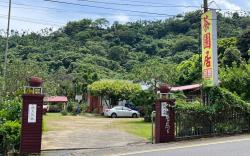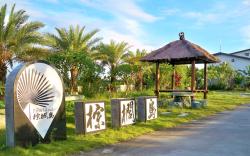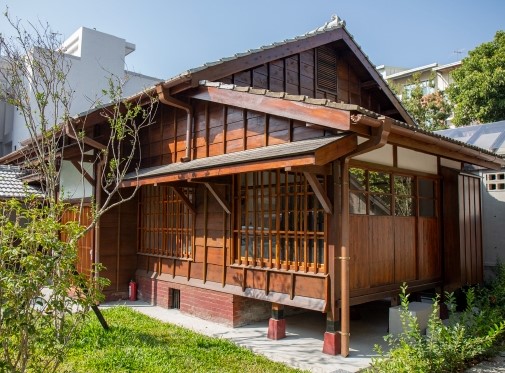
Tonan Coffee Story House Introduction
Coffee has thrived in human history for a long time, with records of coffee being brewed with water as early as the eleventh century. There are many legends about its origins, but they are unverifiable. In addition to its high economic value, there is a wealth of knowledge involved in every aspect from variety, origin, cultivation, harvesting, to processing, brewing, and tasting. There are many world-renowned coffee-producing areas, each with its own flavor, and Taiwan is one of them. Although Gukeng is well-known as a coffee hub in Taiwan, few know that Taiwan's coffee once gained fame abroad. During the Japanese colonial period, the Japanese initially identified areas such as Yunlin, Chiayi, and Tainan, located along the Tropic of Cancer, as the most suitable for coffee cultivation, and imported coffee seeds from Brazil to Chiayi and Hengchun to actively cultivate them. They began test planting in regions such as Ruifeng, Taitung, Kaohsiung, Gukeng, and Nantou, and discovered that the coffee produced in Gukeng had the highest quality. The Japanese company "Tunan Industrial Co., Ltd." started to extensively plant Arabica coffee in the areas of Hebao Mountain, Huashan, and Shizi Guan in Yunlin, covering more than three hundred hectares at its peak. Due to the excellent quality of coffee produced in Gukeng, it became a tribute from the Taiwan Governor-General to the Emperor of Japan and was referred to as "Imperial Coffee."