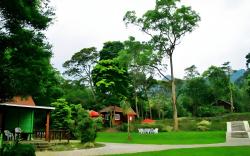
Chingchuan Hot Springs Introduction
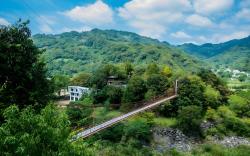
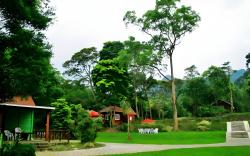
Chingquan Hot Spring has a significant history, originally being a settlement of the indigenous Atayal and Saisiyat tribes. Hot springs were discovered here in 1913, where it was referred to as "Inoue Hot Spring" by Japanese police, gaining a reputation for its "Chingquan Trial Bath" and later becoming one of the Eight Scenic Spots of Hsinchu. Chingquan Hot Spring has several spring sources with a water temperature of around 48°C, classified as sodium bicarbonate spring. The pH level of the spring water is approximately 7.7, making it a neutral carbonic spring, which is relatively rare in Taiwan. According to traditional therapies, this type of spring water is believed to be effective for skin diseases, arthritis, and can significantly relieve both body and mind. This is why Chingquan Hot Spring is affectionately called "General's Soup," with rumors suggesting that Zhang Xueliang once soaked here to enjoy its healing and relaxing effects. The spring water outlet is located next to Zhang Xueliang's former residence, and the local government has thoughtfully channeled the spring water to create footbathing pools. The footbath area is spacious, allowing travelers to enjoy the soothing massage of the hot spring water on their feet while taking in the beautiful scenery surrounding Chingquan, where both mountains and greenery create a refreshing atmosphere, promoting relaxation and tranquility. Chingquan Hot Spring attracts visitors not only due to its unique water quality and therapeutic benefits but also because of its beautiful natural landscapes and rich historical background, making it an ideal place for both healing and leisure.