Longyin Temple Introduction
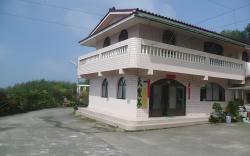
Longyin Temple is one of the important attractions in Chukuo. Construction of Longyin Temple began in August 1980 without any funding, relying initially on the volunteer efforts of dedicated believers, and gradually establishing a management committee. Situated amidst beautiful mountains and waters, Longyin Temple is accompanied by the Tianchang and Dijiuh Bridges, making it a must-stop resting point for tourists traveling to Alishan. The temple and the bridges have become landmarks where visitors to Alishan inevitably pause, and it serves as an important scenic and religious site along the Alishan route. The temple primarily worships Master Li Xiuyuan, commonly known as Jikong Zen Master, who is also called Wugong Bodhisattva due to his five rebirths to save sentient beings. Jikong Zen Master's enlightenment day falls on the third day of the tenth lunar month, celebrated as the Zen Master's birthday, with elaborate fire rituals held almost every year on this day. The main purpose of these rituals is to help sentient beings eliminate disasters, change misfortunes, drive away evil spirits, and avoid malevolent forces. As the deity is honored with fire, his divine power is even more prominent, attracting many temples and numerous believers from within the country to participate in the ceremonies; on ordinary days, believers from various regions can be seen enjoying the serene paths near the temple amidst the forest.