Lion's Head Mountain Introduction
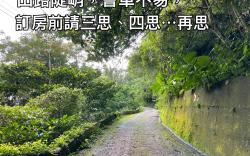
Lion's Head Mountain is one of Taiwan's Twelve Scenic Wonders, named for its mountain shape resembling a lion's head. It boasts rich historical, cultural, and ecological resources, making it a popular tourist destination for hiking, pilgrimage, sightseeing, and geological observation. The Lion's Head Mountain Scenic Area spans Hsinchu and Miaoli counties, blending Hakka culture, indigenous culture, and religious beliefs, adding unique human charm to the land. Hiking and Exploration Lion's Head Mountain has several famous trails, among which the Lion Mountain Old Trail is the most popular route. Along the way, visitors can see many century-old temples, such as Chuanhua Hall, Haihui An, and Lingdong Palace, all rich in historical flavor. The trails are densely shaded, making them suitable for families to stroll through and enjoy the unique rock formations and verdant mountains. Pilgrimage and Temple Tour As a Buddhist sacred site in Taiwan, Lion's Head Mountain has long been a hotspot for believers. The mountains are home to several historic Buddhist temples, such as Lingguang Temple and Kaishan Temple, which are not only centers of religious faith but also witnesses to the development of Buddhism in Taiwan. Hakka Flavor and Saisiyat Culture The nearby Beipu Old Street is an excellent place to taste Hakka cuisine, with local dishes like lei tea, savory pork, and flat rice noodles, which are sure to please anyone who tries them. Additionally, the nearby Xiangtian Lake is a cultural hub for the Saisiyat tribe, hosting the mysterious Saisiyat Harvest Festival every two years, an important event in Taiwan's indigenous culture. Seasonal Highlights and Natural Wonders From April to May, the tung flowers bloom, covering the mountains and forests in a picturesque scene often referred to as "May Snow," creating an immensely romantic atmosphere. From April to June, fireflies can be seen dancing in the night sky, illuminating the tranquil forest like a fairy tale wonderland.