Laoliao Mining Ecological Park Introduction
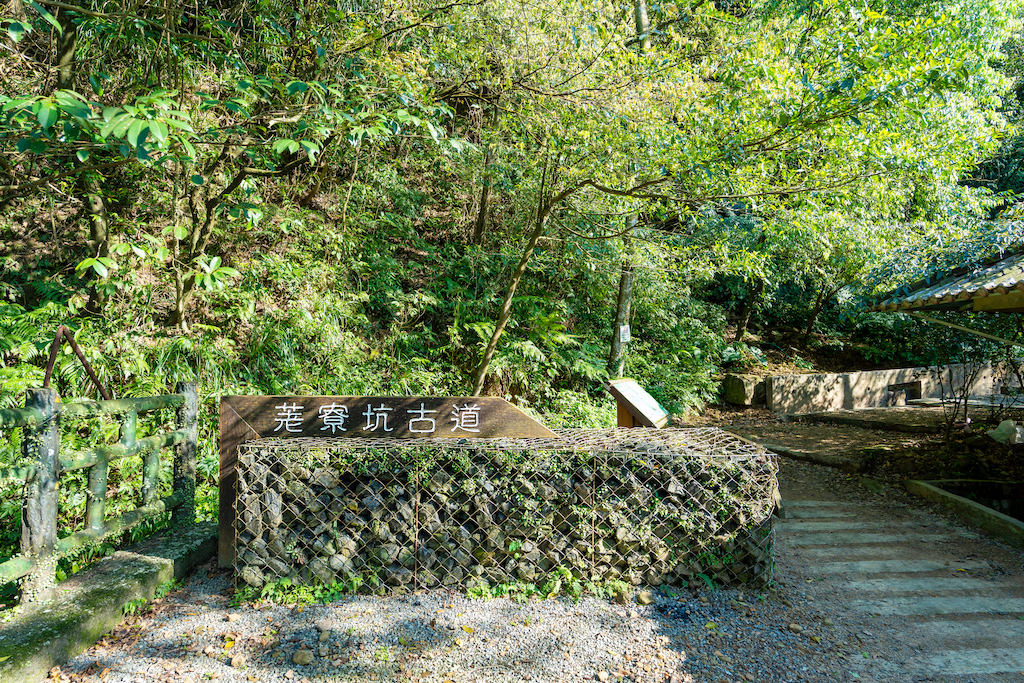
Liao Liao Keng is located in the southeastern part of the Nuannuan District, near an elevation of 350 meters above sea level along the upper reaches of the Dongshi River. According to historical investigations, local people originally referred to "Liao Liao Keng" as "Nao Liao Keng," where "Nao" means camphor; Nao Liao referred to temporary residences for cutting camphor wood and refining camphor. Later, "Nao Liao Keng" gradually transformed into "Liao Liao Keng." After the camphor trees were depleted, Liao Liao Keng was subsequently planted with economic crops like taro and tea. During the Qing Dynasty, coal was discovered in the rock formations of the Liao Liao Keng mountains, and large-scale mining began in the 1870s. However, due to transportation difficulties and high extraction costs, the industry gradually declined and ceased operations in the 1920s. The Liao Liao Keng Mining Eco-Park preserves the historical relics of the Nuannuan industry. Within the park, visitors can see remnants of the taro and tea industries, such as scattered taro and tea plants, as well as the ruins of the stone water tank – "Qing Kao" – used for soaking taro and producing indigo dye. Additionally, the relics of the Liao Liao Keng coal mine, including the mine office, boiler room, and smoke ducts, reflect the historical development of the industry in Nuannuan. Furthermore, due to the warm and humid climate, the flora and fauna in Liao Liao Keng are rich and diverse, featuring rare conservation plants such as the Taiwan bellflower tree and the Taiwan indigenous species of rhododendron – the golden hair rhododendron. Therefore, Liao Liao Keng Mining Eco-Park can be considered a recreational destination that combines ecology, leisure, education, and cultural preservation functions. The park mainly includes two thematic trails: one is the Industrial Heritage Trail of Liao Liao Keng, which starts at the hiking entrance next to the pavilions and follows the creek upstream, showcasing the rich vegetative landscape and historical remnants of the past industries. The other is a connection path linking Liao Liao Keng to the Shifen Old Trail (the Dahan Old Trail Nuannuan Branch), serving as the pathway between Liao Liao Keng and the Shifen Old Trail. The development of the Shifen Old Trail is closely associated with the Liao Liao Keng coal mine, where most of the mine workers in the past were residents of Pingxi and Shifen Liao. On weekdays, they would travel between the two locations along the old trail, where stone houses and terraced fields are visible, presumed to be the residences and cultivated land of the ancestors.
 Laoyuangou Mine Ecology Park Bulletin Board
 Laoliao Pit Mining Eco-Park Trail