Taoyuan: Taiwan Tobacco and Liquor Corporation Taoyuan Distillery Introduction
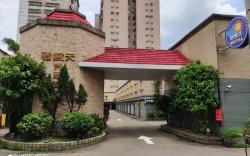
The Taoyuan Distillery is a new factory formed by the merger of the Taipei Distillery (established in 1921), Banqiao Distillery (established in 1937), and Shulin Distillery (established in 1906), boasting nearly a century of history. It officially began mass production in the spring of 1987. Each of the original three distilleries had different products and cultural characteristics, and after merging, it developed into the largest and most modern rice wine production facility in northern Taiwan. Since its establishment, Taoyuan Distillery has primarily focused on producing Shaoxing wine. In 1996, it utilized its Shaoxing wine production equipment to brew Japanese sake, successfully launching "Yuqian Sake," making it the only factory in the country that produces Japanese sake. In 2004, to address the issue of sake lees by-products, it developed the "Taiwan Sake Lees Face Mask," positioning it as a natural skincare material, which became a sensation and was dubbed the "Poor Man's SKII." In 2005, it innovatively developed "Yuqian Red Yeast Rice Wine," combining eastern red yeast with western wine, catering to Taiwanese tastes with a health-promoting concept, and it became the most popular wine brand in Taiwan by market share. Taoyuan Distillery is not only dedicated to the research and development of various alcoholic beverages but has also diversified its production methods. In 2007, it collaborated with a cookie manufacturer to develop "Taiwan Red Yeast Health Crisps," which featured a unique flavor that caused a buying frenzy and had an impressive revenue of over 1 billion NT dollars within just a year and a half, becoming a miracle in the cookie industry. To further diversify its operations, it has set up a showroom center, featuring exhibition halls such as the "Sake Museum," "Red Yeast Museum," and "Wine Bank," welcoming visitors or tourists to explore. This allows visitors to understand the brewing process and history while promoting connections with other attractions in the industrial area, such as the Formosa Plastics Museum, Zhulin Temple, Formosa Plastics Medical Park, Hwa Ya Technology Park, and the nearby Yingge Township industries, creating a thematic feature of local industrial cultural tourism. This not only enhances industry tourism but also enriches the tourism system of Taoyuan County. In line with the company's asset activation policy and Taoyuan County's aviation city development project, together with the opening of the airport MRT line, Taoyuan Distillery integrates wine production, industrial history, and market advantages, combining resources from industrial culture, creative arts, and humanities to shape a park-like factory, creating a sake cultural park. It connects with surrounding districts, scenic spots, attractions, and public facilities, establishing itself as a landmark tourist distillery in northern Taiwan, aiming to attract the 8 million population of northern Taiwan for visitation and leisure, thus increasing revenue. ♦ Excessive drinking is harmful (to) health ♦♦ Do not drink and drive, do not drive after drinking ♦♦ No drinking under eighteen years old ♦
 Image of the entrance to the exhibition center
 Linkou Distillery Image