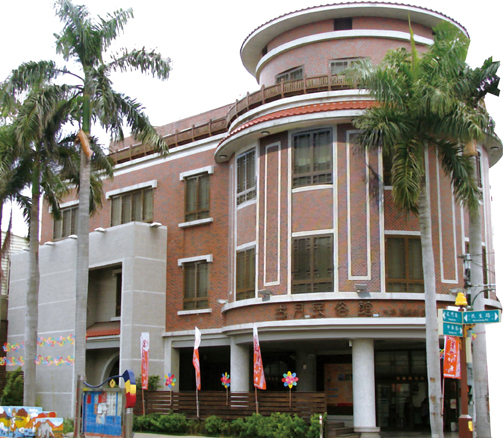
GuYue Folk Museum Introduction
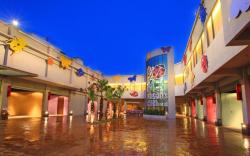
The Gu Yue Folk Museum was built on the site of the Tianhou Temple, which was demolished after being bombed during World War II, in the first month of the year Jiashen (January 2004). The construction took two years and was completed in the fifth month of the year Bingshu (May 2006). The museum aims to pass on traditional Taiwanese culture through clever planning that optimizes limited space for infinite collections with a small-scale investment.
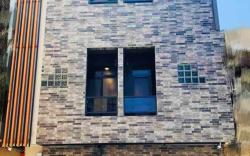
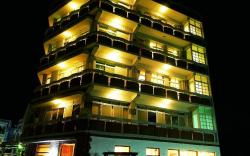
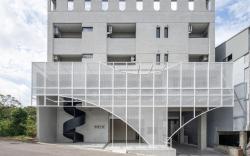
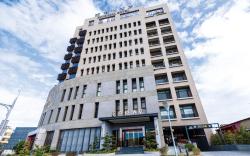
 The building has four floors above ground and a total area of 940.27 square meters. It serves as a public space for comprehensive education, exhibition, and cultural exchange. Facilities include an arts performance venue, folk skills training room, exhibition room, semi-line historical room, multimedia audio-visual theater, conference room, and observation deck. Its main focus is to introduce the development history of Changhua City and collect Taiwanese folk artifacts, supplemented by exhibitions of other artworks, industries, and local specialties from across the country. It also hosts local cultural activities, making it a new attraction for visitors to the beautiful landscapes and historical culture of Changhua City, as well as creating new development opportunities for the revitalization of historical sites in Changhua City.
 The Ching Dynasty version of the Changhua County Gazetteer states: "The Guyu Well is located outside the East Gate, at the foot of Bagua Mountain. It is situated in the garden of a resident surnamed Li, where a sweet spring suddenly emerged, prompting people to rush to collect water. The local magistrate, Hu Gong, donated his salary to purchase the well." During the Jiaqing period, County Magistrate Hu Yingkui erected the "Guyu Well Inscription" on the left wall of the Chenghuang Temple in Changhua City, which serves as evidence that the name "Guyu Garden" is derived from the "Guyu Well." The inscription has now been moved to this museum for the public to reminisce about the past.