Osmanthus Alley Art Village Introduction
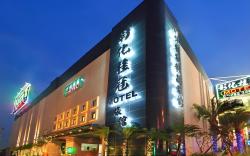
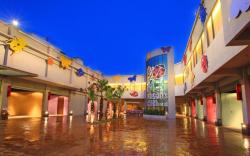
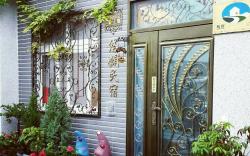
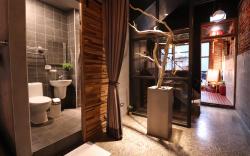
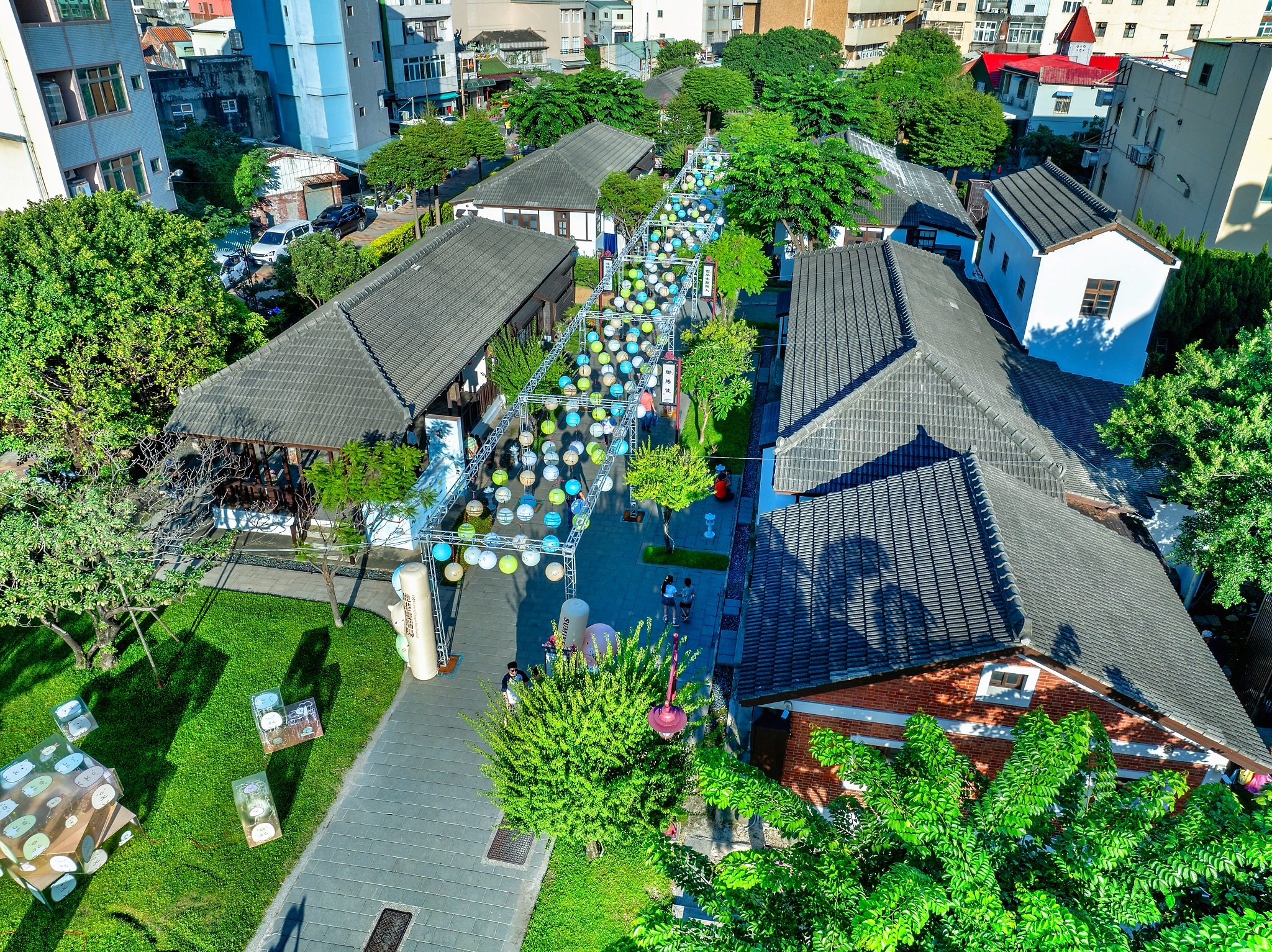
Lukang Osmanthus Alley Art Village exudes the fragrance of art and culture. As an important attraction connecting the old street of Lukang, this group of Japanese wooden dormitories and green spaces is open to artists from all over the world for residency. It features rest areas, an outdoor grass stage, and creates a diverse performance space. Through regular cultural activities and small cultural trips, it ignites a variety of artistic sparks, developing a rich profile of an international art space.
 Guihua Lane Art Village is the first art village in Changhua County. During the Qing Dynasty, it was originally a major trade waterway. It is said that ancient osmanthus trees once grew abundantly along the old riverbank, giving rise to this poetically charming name. Historical documents indicate that this area was once a fishing ground for black mullet, commonly referred to as "Wuyuliao." Over time, the coastline retreated due to natural changes, and during the Japanese occupation period, the land was reclaimed to construct a group of Japanese-style dormitories in the Showa era.
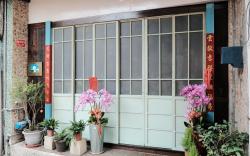
 After 1945, the ownership was managed by the Lukang Township Office, initially serving as a police dormitory, but later fell into neglect. The wooden structure, window frames, and gray-tiled roof exude a unique atmosphere, distinct from the architectural style of the traditional long street houses of Lukang Old Street. Many have initiated efforts to preserve the old houses and encourage their reuse. In 2009, relevant government agencies invested in renovations, and starting in 2010, the first resident artists were allowed to enter, setting a precedent for Changhua County at the time and establishing Lukang as an important cultural and tourism base.