Frog Cave Introduction
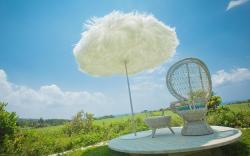
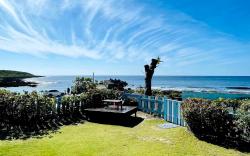
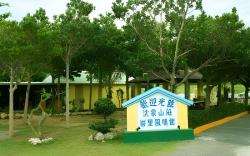
Shuifakou is located in a small village between Fongchuehsha and Eluanbi Park. In addition to the pond scenery of Shuifakou, the area is surrounded by a vast expanse of lush green grasslands, offering a beautiful and tranquil view. In earlier years, the water sources here were quite abundant, with the pond being deeper and wider than what is seen today. Moreover, there were many frogs inhabiting the area, and during the summer or after rain, the croaking of frogs could be heard continuously, hence the name "Shuifakou," meaning Water Frog Cave. However, the disappearance of this natural landscape is often attributed to human destruction. Since the establishment of Jiajia Road 30 years ago, the sand and gravel excavated from the road construction have long been dumped nearby, resulting in the gradual filling of Shuifakou. Along with the slow drying up of the pond water, the number and variety of frogs that originally lived here have significantly decreased, leading to the loss of the serene pond scenery and the adorable frogs. Subsequently, the beauty of Shuifakou has withered. In recent years, to restore the former reputation of Shuifakou as a place of "unceasing frog croaking," local residents and the management office have launched a restoration plan, which includes introducing water sources and creating a natural ecological wetland as a habitat for various species. Additionally, aquatic plants are being planted around Shuifakou to enrich the ecological environment and enhance conditions for the frogs' recovery. Furthermore, a cultural and ecological tourism program for Shuifakou has been proposed, planning suitable travel routes and training local volunteer guides to lead visitors in understanding the history and culture of the Shuifakou community, visiting the natural ecology by the pond, and strolling through the green pastures. If lucky, visitors might even have an unexpected encounter with sika deer or little skylarks. Visiting Shuifakou is akin to enjoying an in-depth journey of culture and ecology.