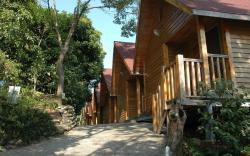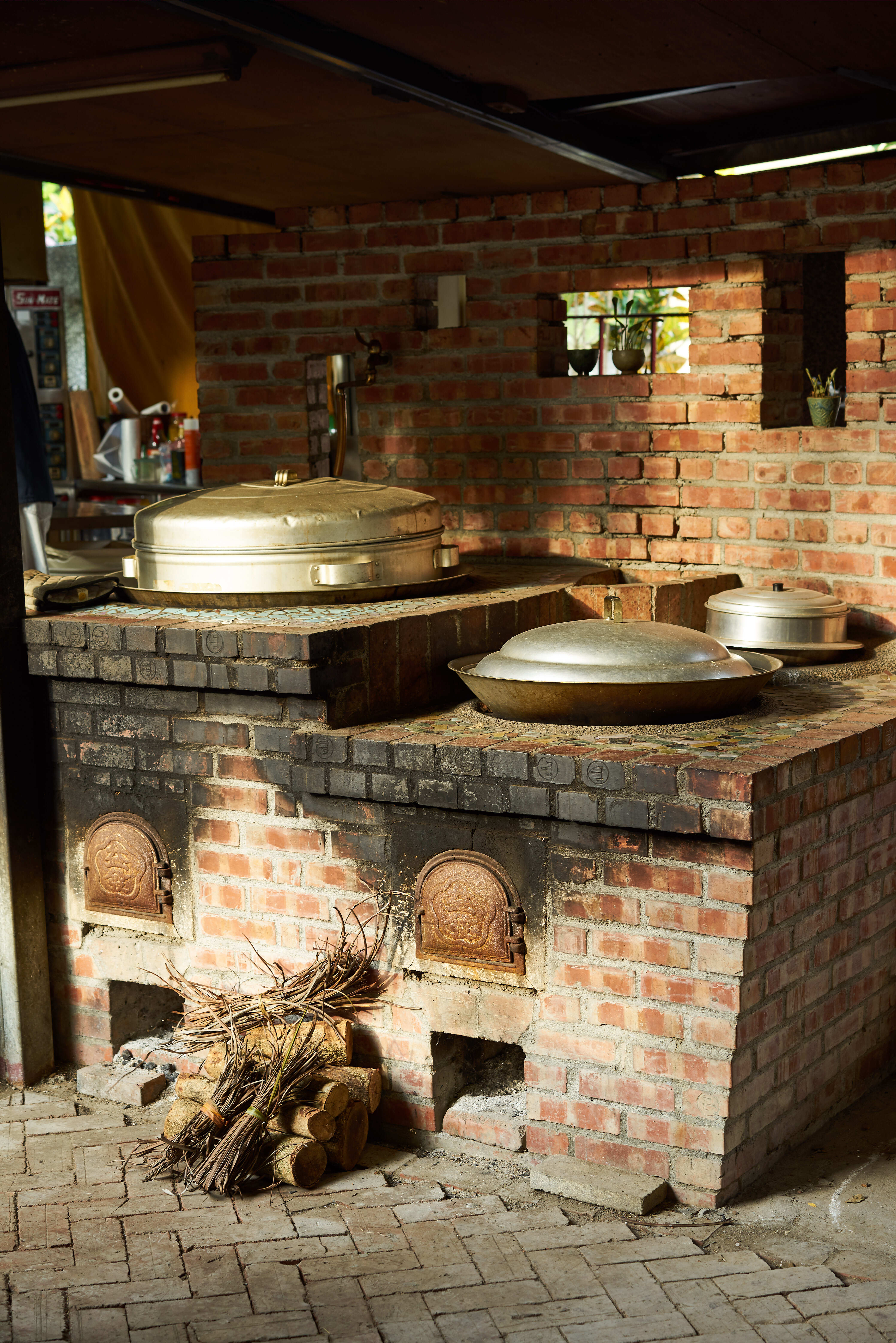
Lianzi Jiao Cultural Sharing Space Introduction
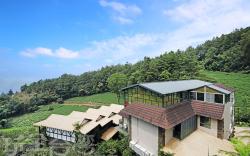
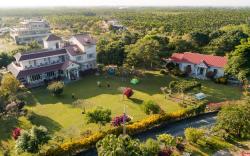
Historical Context: The Baolai area in Kaohsiung City was severely impacted by Typhoon Morakot. Residents initiated rebuilding efforts through the “Baolai Cultural Association,” combining local resources to promote industry and community development, showcasing innovative spirit. The association was established in 2010, evolving from the “Baolai Reconstruction Association,” focusing on talent cultivation, community care, and craft development. In particular, the establishment of the Dazijiao Cultural Sharing Space has become an important symbol of community cohesion. Cultural Significance and Stories: Dazijiao carries the rural memories of the area and is the core hub of culture and craftsmanship. The association promotes the inheritance of elder skills, intergenerational learning, and craft courses, collaborating with local schools to design cultural education programs from aspects of life, ecology, and production. Professional courses such as pottery, natural dyeing, and baking not only enhance residents' skills but also integrate culture into daily life. Traditional Craft and Features: The association is committed to creating a "place of returning to simplicity," combining pottery, natural dyeing, and kiln baking crafts and skills, deepening cultural heritage through community co-learning. Facilities in the space, such as clay walls and bamboo walls, are made from local materials, completed by residents and volunteers, embodying the concept of "coexisting peacefully with the earth." As one of the core craft projects, pottery provides residents with comprehensive learning opportunities from production to firing through community workshops. It emphasizes that "art originates from life," being both cultural exhibits and part of daily use. Natural dyeing utilizes local plants like sago and mahogany as dye materials, promoting eco-friendly dyeing techniques, training local women to participate in learning and creating, becoming an essential part of local specialty products. Wood-fired kiln baking is another highlight, with its construction and techniques completed collectively by community residents and volunteers, conveying spirit of unity and cooperation. The kiln-baking techniques are also integrated into daily dining and activities, becoming one of the cultural highlights of the community. Craft as a Vehicle for Cultural Inheritance: The association invites professional instructors to teach craft skills, attracting local women and younger generations to participate in learning, allowing pottery, natural dyeing, and other handmade skills to continue and innovate. Through learning and practice, participants gradually become skilled artisans who pass on these techniques to the next generation. These crafts not only represent culture but also serve as important sources of income for residents, supporting the sustainable development of the community's economy. Practicing Aesthetics of Life: Handmade crafts integrated into daily life, such as clay bowls and natural dyed fabric products, embody the concept that "life is art." These craft works are not only used within the community but are also recognized by the outside world through exhibitions and sales, showcasing Baolai’s cultural value. Shared Space: The Dazijiao Cultural Sharing Space has become a multifunctional cultural base, integrating craft and spatial aesthetics, connecting small farmers with specialty industries, offering hands-on and observational experiences, attracting over ten thousand visitors annually with a cumulative visitor count exceeding 150,000. The association combines natural resources and cultural characteristics, promoting a diverse economic cycle centered around “life, environment, and industry,” discovering local cultural value through education and cultural activities. Dazijiao has become a comprehensive space for empowerment, co-learning, care, display, and records of reconstruction, inviting visitors to participate and gain in-depth understanding of Baolai's cultural heritage. Meanwhile, the sales of craft products provide the association and residents with stable income to support more cultural heritage development plans.
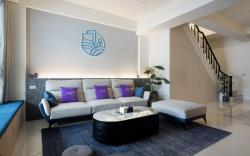
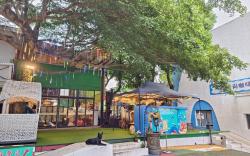
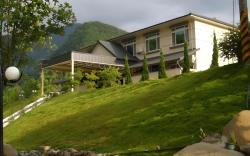
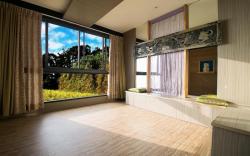
 Multifunctional space
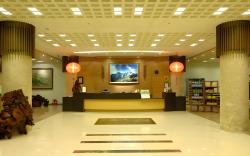
 Display cabinet and counter