Luwu Academy Introduction
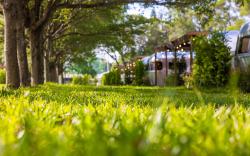
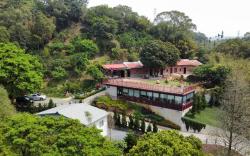
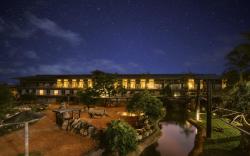
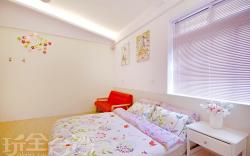
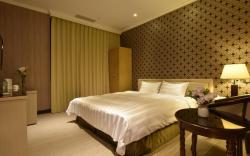
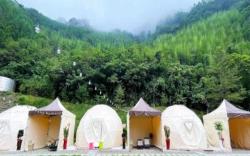
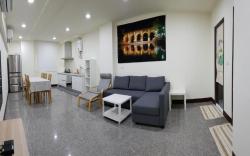
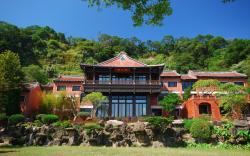
The largest single-surname settlement in Kuan-Hsi Township is the Luo surname settlement, which was established when the ancestors of the Luo family came to Taiwan from the mainland during the Qing Dynasty in the sixteenth year of the Qianlong reign. They migrated from Tamsui to the present-day Southern Mountain area of Nanshan Village, cultivating the land and continually inviting relatives from JiaoLing County in Guangdong Province to settle here. By the time of Luo Biyu, the agricultural economy had developed significantly, leading to the establishment of schools and the existence of academies; during the construction of the academy, craftsmen from Fujian were invited and building materials were transported from the mainland. This project was built alongside the center of worship in Kuan-Hsi Township, the Taihe Temple, showcasing exquisite building techniques and high-quality materials. The academy still retains a gatehouse, and the overall arrangement of the traditional Sanhe courtyard is well-preserved, witnessing the history of Kuan-Hsi Township's development. The Yuzhang Hall Luo Academy is located within a radius of five to six hundred meters formed by the Niulan River and Fengshan Creek. This beautiful natural settlement scene was also captured by Chi Po-lin in the documentary "Beyond Beauty: Taiwan from Above." It is hoped that the old houses will be preserved, and the Hakka cultural traditions such as weaving bamboo, making vegetable bundles, and irrigating the fields with waterwheels will be passed down. With this intention, Luo Shih-long resigned from his job and returned to his ancestral home to join the efforts to preserve the old houses in Kuan-Hsi. The traditional Hakka house with a four-courtyard layout is absolutely stunning at first sight. Once a private school and academy of the Luo family, its western-style carved decorations on the walls are magnificent, and despite being a general residence, it boasts temple-level exquisite wall decorations. The Luo Academy has now opened part of its space for use as a homestay, allowing guests to experience Hakka village culture with traditional-style rooms and a kitchen. The spacious Sanhe courtyard can also transform into a camping site where children can run and play freely. Every year in July and November, visitors can enjoy the golden rice fields in front of the courtyard and explore the maze-like paths in the rice paddies.