Pingtung County Min Park Introduction
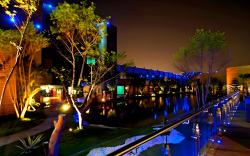
In 1909, the Pingtung Sugar Factory commenced operations, spurring the development of the agricultural industry on the north bank of the Shetou River. The county government transformed part of the Taiwan Sugar Corporation's land into the "Taiwan Sugar County People's Park," which opened 9 hectares of land for public use on October 15, 2018. The park features historic remnants of a pulp mill, interesting themed playgrounds, water features representing the sugar industry, a large square, and expansive grassy areas for recreation. To highlight the significance of Taiwan Sugar to Pingtung, the county government incorporated the concept of ladybugs, which can ward off pests, into the design of the playground, as sugarcane was historically cultivated for sugar production on the site. Numerous ladybug installations are integrated into the hilly sugarcane landscape, creating a vibrant playground that symbolizes courage in pursuing dreams and endless hope, while also conveying the spirit of tackling challenges along with the transmission of historical and cultural significance. Additionally, as part of the 2019 Taiwan Lantern Festival collection project following its event in Pingtung, several lantern installations from the festival were brought into the park, illuminating it once again. Today, to provide a more comfortable and enjoyable recreational space for residents, the "Pingtung County People's Park," which took over 5 years to complete and cost TWD 390 million, was officially opened on February 5, 2021. The county government revitalized the abandoned 27-year-old remains of the Taiwan Sugar Corporation's old pulp mill, integrating it into a new blue-green belt along the Shetou River, creating Taiwan's first park centered on industrial heritage and a waterfront corridor. The park spans a total area of 20 hectares and blends historical, cultural, ecological, landscaping, and waterfront characteristics. Its unique design generates a new landscape that connects the past with the present, allowing the old industrial site to regenerate into a dynamic ecological recreational experience.