Jinshan Wanli Hot Spring Area Introduction
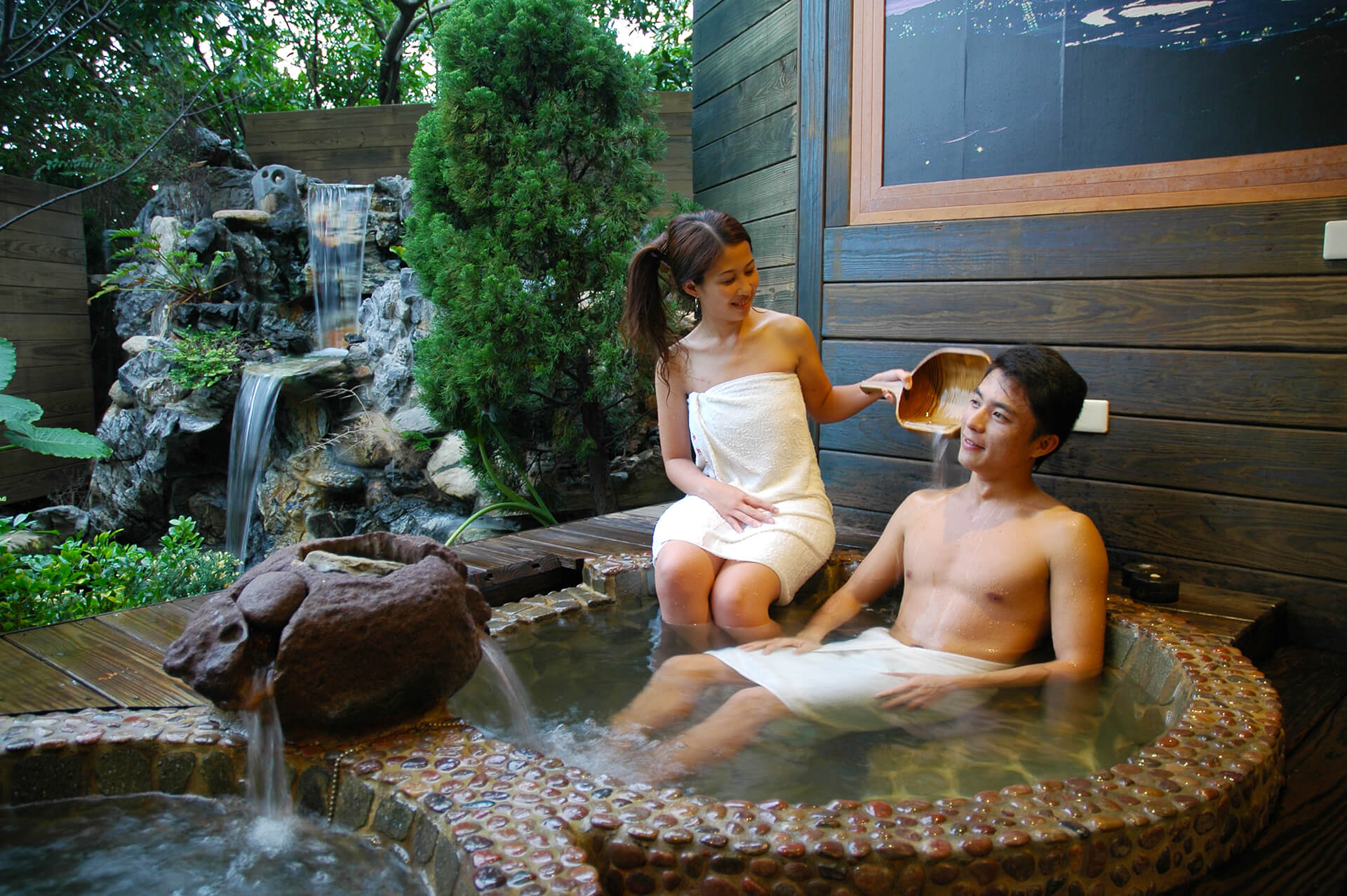
Jinshan and Wanli are nestled between mountains and the sea, boasting abundant natural resources. Not only do they have diverse products, but the volcanic geothermal energy from Datun Mountain also provides high-quality hot springs in both Jinshan and Wanli. The Datun Volcano Group, rich in sulfur, was documented in the sulfur collection diary of Yu Yonghe during the Qing Dynasty in his work "Record of Travels in the Seas," illustrating the wealth of volcanic sulfur deposits in the area, which has been acknowledged since ancient times. Today, the renowned Sihuangping and Gangziping are still highly productive sulfur mining areas. The hot spring water from the sulfur geothermal area flows continuously into the Jinshan and Wanli regions; the sulfur creek hot spring outlet near Dayoukeng brings this precious natural treasure to Jinshan and Wanli. The abundant hot spring resources in Jinshan and Wanli have reportedly been discovered and utilized for hundreds of years. At that time, the Wanli and Jiato areas were still inhabited by the Ketagalan people, who recognized that the hot springs bubbling from beneath the ground could heal wounds or skin diseases and regarded them as medicinal water. It was not until the Japanese occupation period that the Japanese, who loved hot springs, introduced onsen culture to Taiwan. In Jinshan, they not only developed hot spring sources but also established new and old guesthouses, making hot springs a source of warm leisure and enjoyment.