Xi Ding Leisure Trail Area Introduction
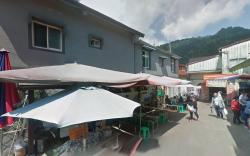
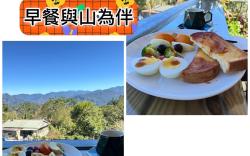
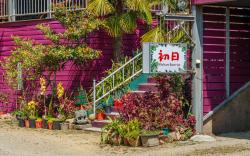
Xiding Recreational Trail is located on the mid-slope of Alishan, in the area of Alishan Highway from kilometer 39 to 41, about a 50-minute drive from Chiayi. The area is shrouded in mist year-round, with bamboo forests and cedar trees releasing phytoncides. Currently, health trails have been established for you to stroll through the clouds and wash away the dust of the city. There are trails such as Er-Yen Ping Mountain Trail, Cypress Trail, Xianjing Waterfall, and Gongtian Trail. The name "Xiding" comes from the small pathways that the indigenous people of the Dabang tribe used to traverse the valley to descend into the fortress of Jhongli City between two mountains. Historically, residents of Xiding mainly cultivated camphor and Fuzhou cypress, but as Alishan Highway opened, more people from the plains began to move to Xiding to plant tea, orchids, sweet persimmons, and high-altitude vegetables. In the past, Xiding was part of traditional highland agriculture, so tourism resources were limited. However, it remains an undeveloped natural virgin land, and its rich natural wonders, such as mountains and cloud seas, are worth exploring. At Er-Yen Ping Mountain Trail, the scenery is delightful, with views overlooking the Chianan Plains, Renyi Lake Reservoir, Lantan Reservoir, and Tsengwen Reservoir, as well as a view of Jade Mountain's main peak and the two northern and southern peaks, showcasing the frosty scenery in winter and the vibrant life at sunrise. With no light pollution and air pollution, on cloudless nights, gazing up at the star-filled sky and overlooking the lights of thousands of homes in the Chianan Plains feels like a fragment of diamonds scattered across the sky. The cloud waterfalls, sea of clouds, sunsets, evening glow, Elephant Mountain, Xianjing Waterfall, and sheer cliffs are all natural wonders, majestic and breathtaking, nature's treasures hidden by the heavens. The Xiding area lies at the intersection of the warm temperate and subtropical zones, situated on the Tropic of Cancer. As a result, it has developed diverse agricultural products such as Jin Xuan tea, Qing Xin Oolong tea, sweet persimmons, and butterfly orchids, all significant local specialties in Taiwan. The region also boasts a variety of unique wild vegetables, such as Xian garlic chives, baby broccoli, alpine peas, dragon beard vegetables, and Misokatsu leaves. When paired with traditional products like papaya cake, bitter tea oil noodles, tea jelly, tea wine, and aiyu jelly, they create authentic local delicacies.