Jianshi Township Indigenous Culture Museum Introduction
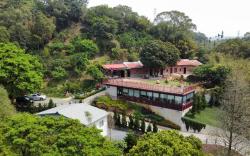
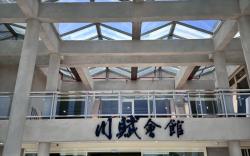
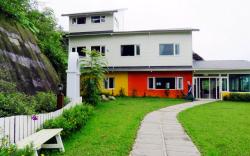
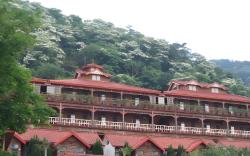
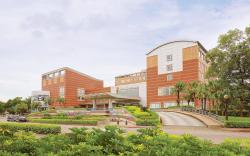
Jianshi Township has a rich cultural history. To start your exploration of this expansive area, the "Jianshi Township Indigenous Culture Museum" is a perfect first stop. Visitors can appreciate the regular exhibitions of traditional structures, agricultural tools, and costumes, gaining insight into the main economic activities of the Atayal people, which include agriculture and hunting, as well as the lifestyles that evolved from them. The museum also provides travel maps and guides for visitors to browse. By viewing the artifacts displayed in the museum, visitors can journey back in time to experience the early lifestyles of the Atayal people. The "Northwestern Multi-Room House" design is influenced by local Hakka culture, with bamboo walls and separated interior spaces that enhance living quality. The "Stilt House Watchtower," on the other hand, is a type of home developed to maintain tribal security in this mountainous region. The space beneath can accommodate poultry or serve as a gathering place for warmth, while the upper area allows for overseeing farming spaces and storing weapons or tools for observation, which also served defensive purposes during the Japanese colonial period. In addition to architecture, the other side of the museum showcases hunting-related artifacts, such as fish traps and traditional tools like pestles and mortars used for grinding millet. The fish trap, which is pot-shaped, is woven from natural materials abundant in Jianshi Township, particularly the bamboo used in the Atayal's traditional diagonal weave. It is waterproof and transparent, lightweight and practical, serving as the main vessel for holding fish and shrimp caught in streams. Farming is also a vital aspect of livelihood for the Atayal people. To ensure a good harvest, a "Sowing Festival" is held every year from December to February prior to planting, and a "Thanksgiving Festival" takes place during the harvest in July and August. These festivals typically feature offerings of pickled meat, millet wine, millet ears, and ground millet rice cakes, dedicated to the deities (utux tmninun) and ancestral spirits (utux bnkis). In many indigenous community experiences today, visitors can observe the process of pounding millet into rice cakes using a pestle and mortar. Moreover, the museum displays "bead leg bells" meticulously recreated by professional weaving instructors, which are jewelry worn by the Atayal people on festive occasions. The colorful designs feature woven straps paired with elegant white bead tassels, making them striking and exquisite. Embracing the trend of immersive experiences, the museum has also introduced VR multimedia interactive hunting games, themed around Atayal traditional hunting rituals. Visitors can learn the Atayal pronunciation of animal names, experience the ceremonial drinking of millet wine before hunting, and practice archery, appealing to visitors of all ages.