Beichan Temple, Magong Introduction
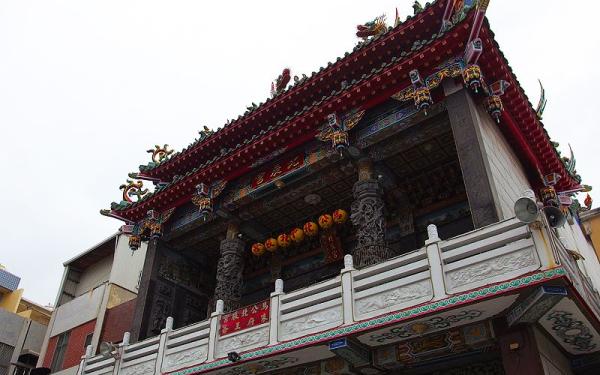
Deity Worship: Lord Zhu Festival Date: 18th Day of the 5th Lunar Month. Legend has it that during the Tang Dynasty, three hundred and sixty civil and military scholars faced disaster simultaneously. The emperor at that time, Tang Taizong, took pity on their innocence and especially conferred the title of a thousand-year deity to them, allowing them to patrol on behalf of Heaven, visiting different municipalities to judge the good and evil of the mortal world. The three hundred sixty scholars followed the decree and automatically divided into groups, patrolling various places either in groups of five or three, all possessing great divine power. Whenever their royal boat arrived at a port, it was surely a good omen, and they were warmly welcomed wherever they went, praying for peace. This custom has been passed down to this day without neglect. Due to Taiwan and the Penghu Islands being a series of maritime islands, the welcoming of the thousand-year deity is more pronounced here than in other regions. Among the most famous is the Nankunshen Five Lords Thousand Years, which is known to have sent out expeditions to Penghu during the Qing Dynasty, using the Tianhou Temple as the operational base. Hence, all the residents of Sanjiaqing sincerely handled the affairs of the operation base. In later years, in order to commemorate and express gratitude for the deity's blessings, more than twenty members, including Huang Jishi, formed the City Deities Association and carved the golden statue of Lord Zhu to be worshiped alternately for over forty years. By the 13th year of the Republic of China, the construction of a temple began and was completed a year later. Since it was built by the residents of Beijia, the temple is named Beichen Temple.
 Beichan Temple, Magong
 Beichan Temple, Magong