Chiayi Lumber Factory Introduction
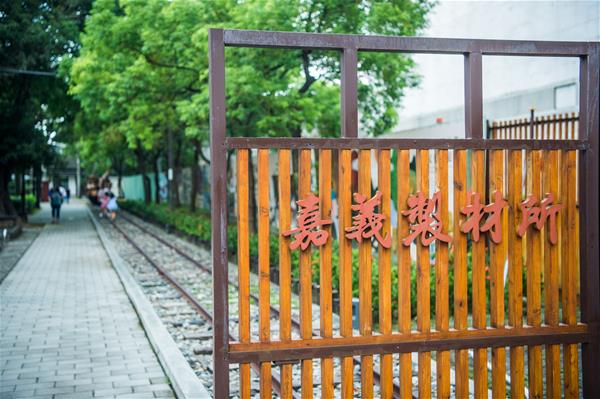
The Chiayi Lumber Station will temporarily close due to facility and landscape improvement works starting from December 30, 2024. The construction is expected to take approximately 15 months, and the actual reopening date will be announced later. We apologize for the inconvenience. The Chiayi Lumber Station was established during the Japanese colonial period in the third year of Taisho (1914). It was the largest government-operated timber industry area during that time, responsible for the storage of timber cut from Alishan and processing it into lumber, claiming to be the largest producer in the East at that time. The space planning within the lumber station includes a power room, sawdust room, office, machine workshop, drying room, and hand weaving workshop. Notably, the power room on the left side of the entrance is the first steel-reinforced concrete structure in Chiayi and also the earliest thermal power plant in Chiayi. A century ago, Chiayi was famous for its mechanized timber industry, which relied on electricity for operations, and at that time, only a few areas in Taiwan had electricity supply. The Chiayi Electric Light Company was established in the 44th year of Meiji (1911) to provide gas engine electricity for street lamps and electricity for some households. The lumbering, saw tables of various sizes, and mobile cable cranes at the Chiayi Lumber Station required even more electricity, leading to the establishment of the power room for self-generation. The machinery workshop is adjacent to the power room, allowing for insights into the historical transformation of space and an understanding of the rise and fall of the century-old forestry industry. The first-generation lumber factory began operation in the third year of Taisho (1914), part of the building is three stories high, with the rest being two-story reinforced concrete structures, equipped with the most advanced machinery imported from the United States, showcasing the grandeur and high work efficiency of the lumber factory; it attracted many visitors, including members of the Japanese imperial family. Unfortunately, the factory was destroyed in the great earthquake of Showa 16 (1941). The second-generation factory was built after the earthquake and features large-span wooden structures made entirely from Alishan cypress, which are quite distinctive. With changes in government forestry policies and the rise of conservation awareness, logging in the Alishan Forest was ceased. The Chiayi lumber industry once propelled Chiayi City to become the national center for timber production, earning the title of "Lumber City." While its splendor has faded, the structural integrity of the factory buildings remains, possessing cultural asset value. The Chiayi Forest District Office plans to create the "Alishan Forestry Village," connecting the Cypress Lifestyle Village, Chiayi Garage Park, the Lumber Station, and the Song of the Forest, promoting the imagery of the "Lumber City" and developing a unique tourism attraction that encapsulates local historical and cultural characteristics, thus promoting the development of the timber culture tourism industry.