Four-Eyed Well & Qianyi Hall Introduction
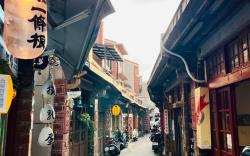
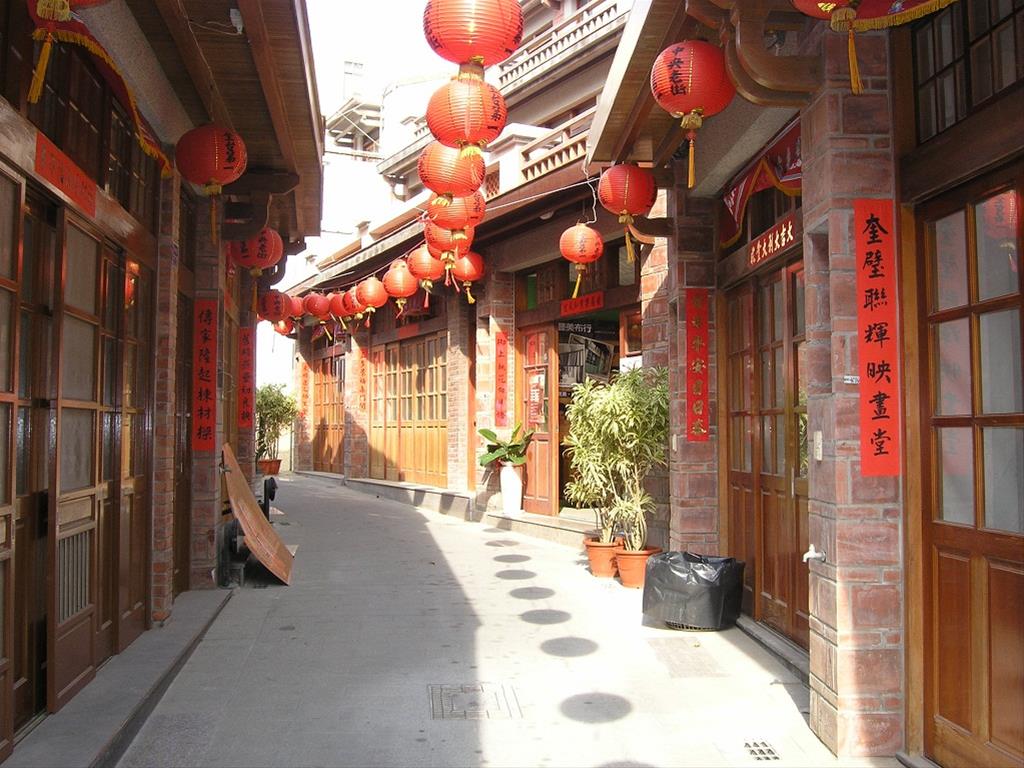
Zhongyang Old Street is the earliest developed street in Magong and even the entire Penghu archipelago, existing since the establishment of Magong City over four hundred years ago. In the past, Zhongyang Street was the focal point of life for the people of Penghu, but as Magong City has developed, it has transformed into a tourist attraction. During the development of the street, residents jointly dug the oldest well in Penghu, known as the Four-Eyed Well, for easier access to water. Before the introduction of tap water, it was the primary source of water for the locals and was designated as a county historic site due to its historical significance. The bottom layer of the Four-Eyed Well is made of basalt, with a layer of limestone above it, and topped with red brick walls. The well gets its name from the four circular water extraction openings, which were created after the well's completion to prevent residents from falling in while fetching water. A granite platform was built, and a stone ring with an inner diameter of about 35 centimeters was carved from basalt, raising the well about 30 centimeters above the surrounding road. Another historic site, the Qianyi Tang Traditional Chinese Medicine Shop, is also designated as a county historic site and is now in its fourth generation of operation. It was the first traditional Chinese medicine shop in Penghu to hire a Chinese medicine practitioner. Qianyi Tang is one of the important landmarks that witnessed the colonial era and the prosperity of the Republic of China period. However, it is widely known among tourists for its medicinal herbal eggs, which attract almost every visitor to Zhongyang Street with their enticing aroma!