Penghu Defense Command Military Police Introduction
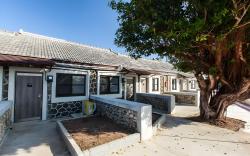
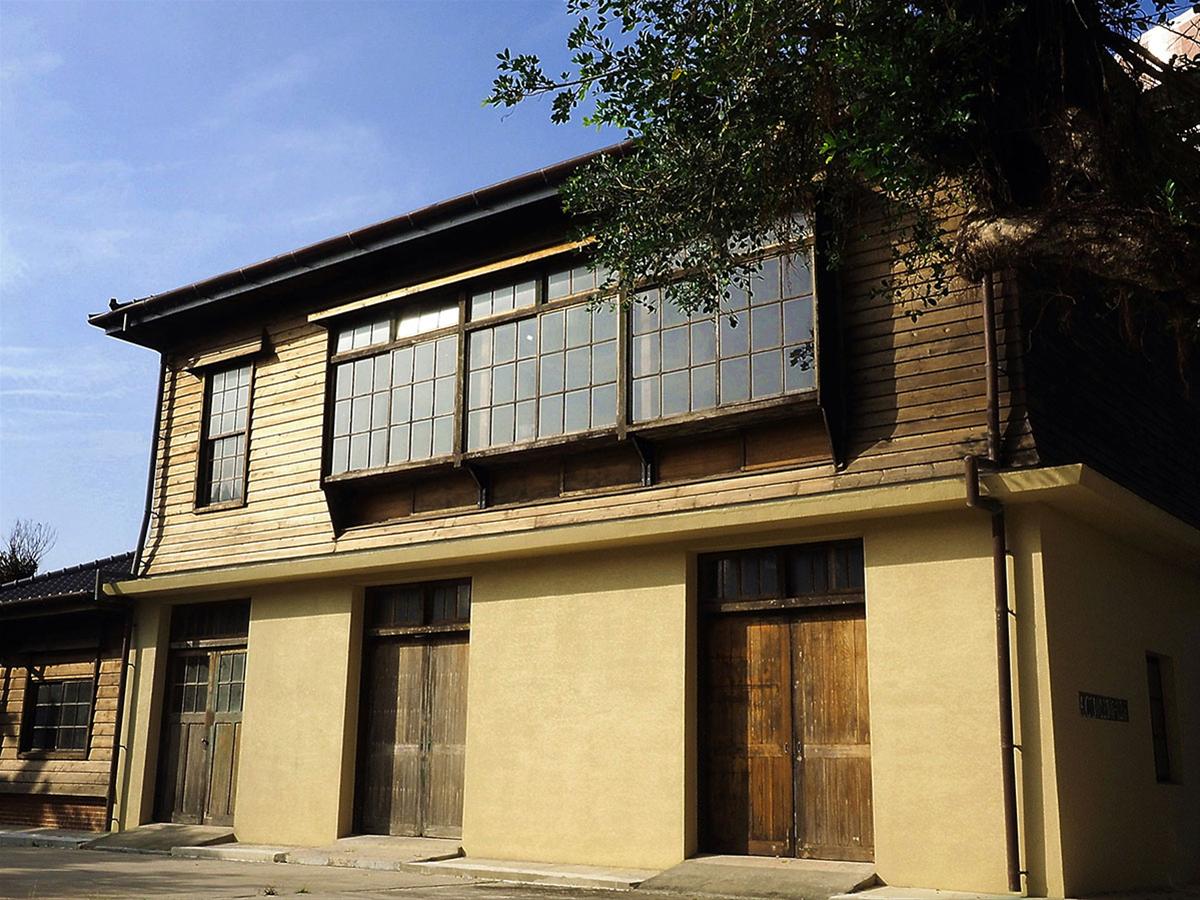
The Penghu County Constabulary has experienced usage and reconstruction from the Qing Dynasty, Japanese occupation, to the Nationalist Government period, showcasing a unique style in both historical significance and architectural artistry. It is located in Magong City, on the west side, within the old Mazu Temple. The main structure is a two-story brick and wooden building in Japanese style; the Japanese dormitory features a brick chimney suitable for both bathing and heating. Notably, the west side has a wall made of basalt, with an underground water pool at the front. Originally, the Penghu County Constabulary was the Penghu District Office during the Qing Dynasty, established in the Kangxi period (1684). In the 15th year of the Guangxu Era (1889), when the district office was changed to a magistrate's office, only necessary repairs were made to the existing buildings, with the addition of prisons and benevolent institutions beside the office. During the Japanese occupation period, major renovations were carried out in the Taisho period (1962) and the sixth year of Showa (1931), transforming it into the Penghu County Constabulary. In the year 34 of the Republic (1945), it served as the transportation unit of the Penghu Defense Command until it was reorganized into the Magong Port Command in response to the situation during the Second Taiwan Strait Crisis in year 47 of the Republic (1958). The Penghu County Constabulary stands as a significant site, with nearby historical sites such as the Mazu Temple, Shuncheng Gate, and Duxing Village, making it the ideal destination for visitors who enjoy exploring cultural heritage.