Songhe Village Introduction
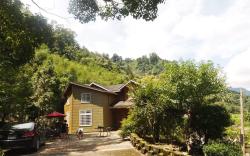
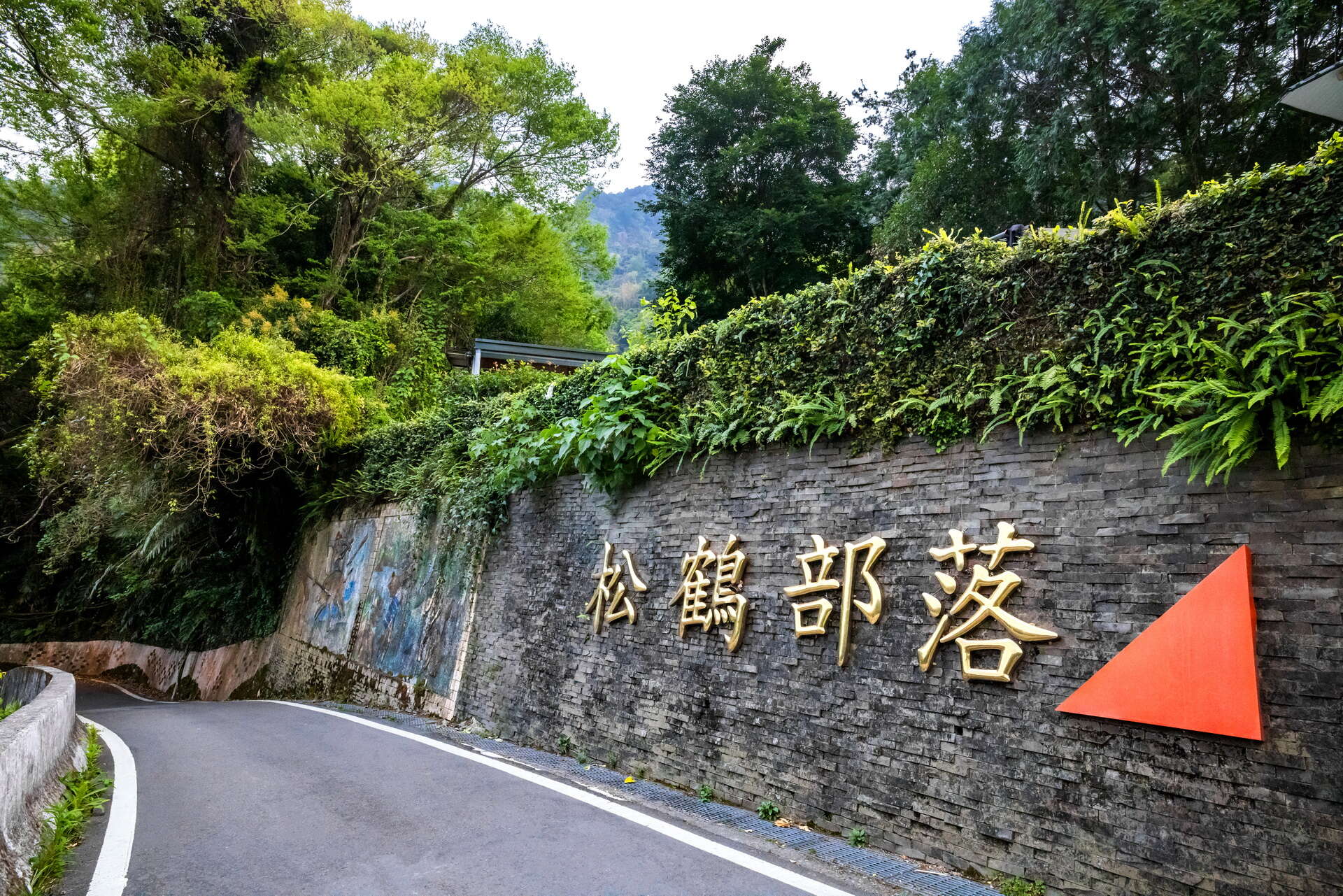
Songhe was formerly known as "Gulas" and "Jiu Langes" tribal village, which was originally an Atayal indigenous settlement. "Defulan" is the name of the land for the Atayal people of Songhe, meaning a place where water is abundant and the land is fertile, suitable for human habitation. After the end of Japanese rule, due to the frequent sighting of many white herons foraging along the Dajia River, it was renamed "Songhe," which evokes the image of herons flying in the distance. Located by the Dajia River, the Songhe community is situated in a river terrace area. Currently, the village is home to a diverse population including indigenous peoples, Minnan, Hakka, and other ethnic groups. At Linchang Lane in the Songhe community, there is a row of cedar wood houses (dormitories for Forestry and Nature Conservation Administration staff), which is one of Taiwan's three major forestry farms during the Japanese rule, known as "Baxianshan" Forestry Farm, preserving the most complete historical evidence.