Beipu is a Slow Museum (Blue Magpie Bookstore) Introduction
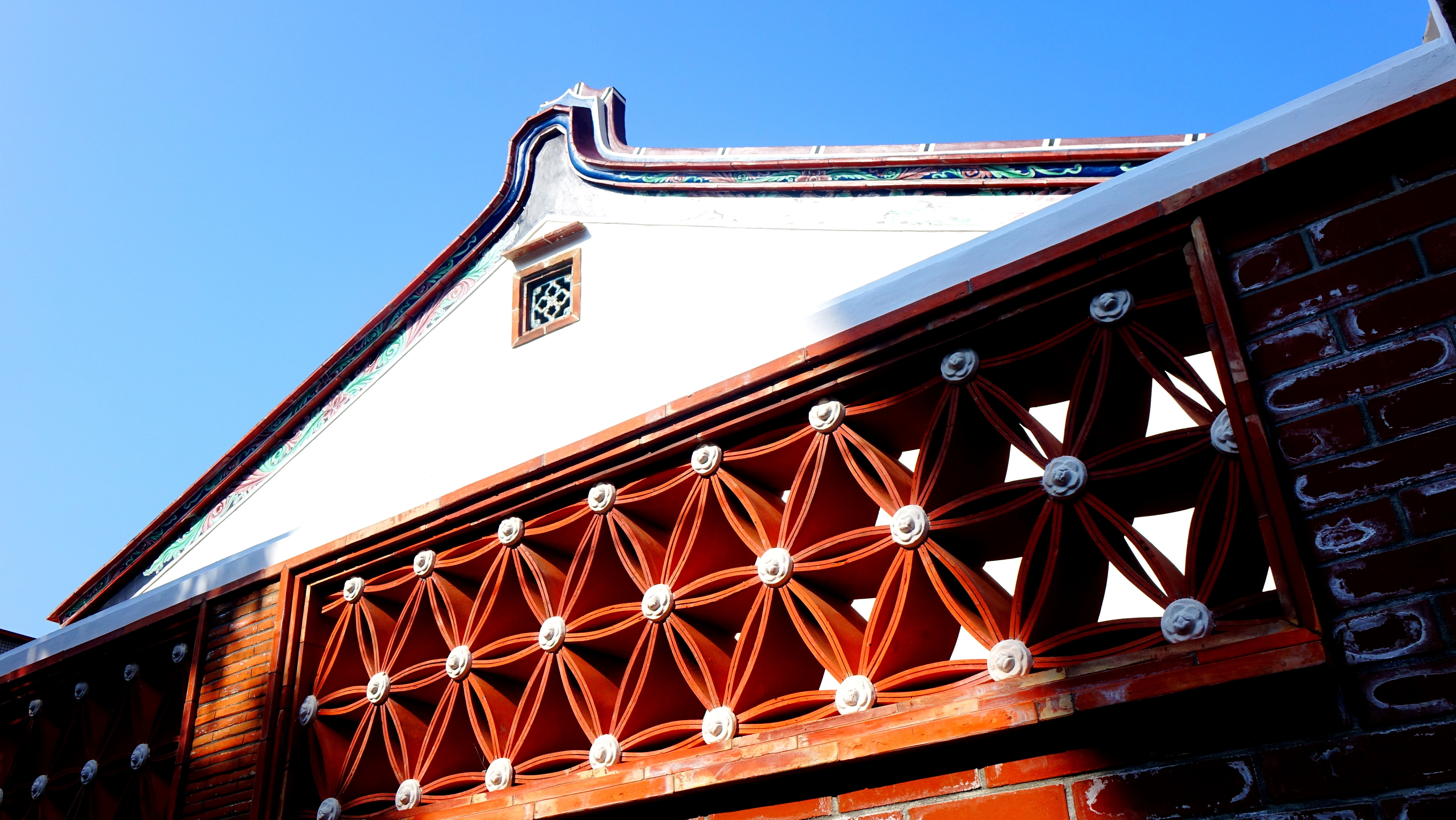
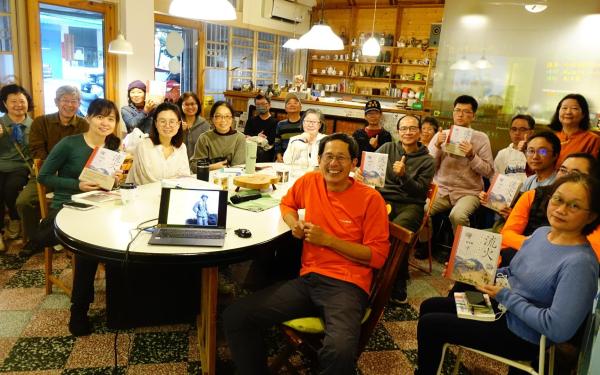
The "Blue Magpie Bookstore" has been dedicated to cultural cuisine for many years. Like the fledglings of the Blue Magpie family in Taiwan, it has grown its wings under the warm care of the local community in Beipu Township, ready to soar! The Blue Magpie Bookstore focuses on cultural cuisine, continuously sharing the local cultural history, architecture, and ecology with visiting travelers, while also sharing diverse cultures from outside with local friends. Through activities such as book selection, lectures, guided walks, craft-making, and book clubs, it allows everyone to appreciate the beauty of life. It hopes that reading becomes a daily routine, enriching everyday life through books. Beipu is a leisurely and romantic museum. Located on Taiwan Route 3 in Hsinchu County, Beipu Township is a typical Hakka village that preserves traditional settlements and a wealth of historical architecture. Within a 300-meter radius of the village center, you can find national historic sites such as "Jin Guang Fu Mansion" and "Tian Shui Tang," county-designated historic sites like "Jiang A-Xin Western-style House" and "Ci Tian Temple," as well as historical buildings like "Zhong Shu Hall," the Deng Nan-Guang Photography Memorial Hall, and the Long Ying-Zong Literary Museum. Since the establishment of its settlement in 1834, Beipu has a history of nearly 190 years, experiencing the Qing Dynasty, Japanese rule, and the Republic of China. Many influential figures and events have emerged from this land, such as: - Jiang Xiu-Luan, who cultivated Beipu and laid the foundation for the surrounding villages (Beipu, Emei, Baoshan). - The heroic deeds of Jiang Shao-Zu, who led the militia against the Japanese. - Cai Qing-Lin's anti-Japanese uprising during the "Beipu Incident." - The character Jiang A-Xin (Tea Tiger) in the drama "Tea Gold." - The classic works of photographer Deng Nan-Guang and writer Long Ying-Zong. Additionally, during the Japanese colonial period, local head Watanabe Kame collected plants and insects as a hobby, leading to many insects named after him, such as Watanabe's Eastern cicada and Watanabe's big-green beetle. The subsequent Japanese naturalist Takano Tadao followed in Watanabe's footsteps to visit Beipu. The legacy and works of these historical figures from Beipu, along with each historic site, tell many touching stories. Historical documents, academic papers, and works all record Beipu's rich cultural heritage. **Nature and Life** The residents of Beipu follow the rhythms of the seasons, celebrating traditional customs through events like the Lantern Festival, the Oil Lantern Festival, the Ghost Festival, and moon-gazing tea appreciation during the Mid-Autumn Festival. Xiuluan Mountain serves as a landmark for Beipu, like a "parent mountain" protecting the villagers, providing shade and featuring pavilions and monuments, making it a great place for walking and exercise, as well as being one of Hsinchu County's twelve scenic spots. The Wuzhishan Trail is rich in forest vegetation, with unique rocks and the forest's phytoncides enchanting visitors; Naanpu Village's Golden Water Township showcases pastoral poetry; the scattered hills of tea gardens yield the famous Pung Feng tea (Oriental Beauty Tea). Furthermore, the Percent Bridge in Naanpu Village spans the Daping Creek, documenting 91 species of birds, showcasing the diversity of local birdlife. Beipu not only boasts rich historical monuments but also combines diverse natural ecological landscapes, making it a place worth lingering in. **"The entire Beipu is a slow-paced museum worth exploring for travelers."**
 Historical Site Explanation
 抱歉,我需要具體的中文內容才能進行翻譯。請提供您希望翻譯的內容。