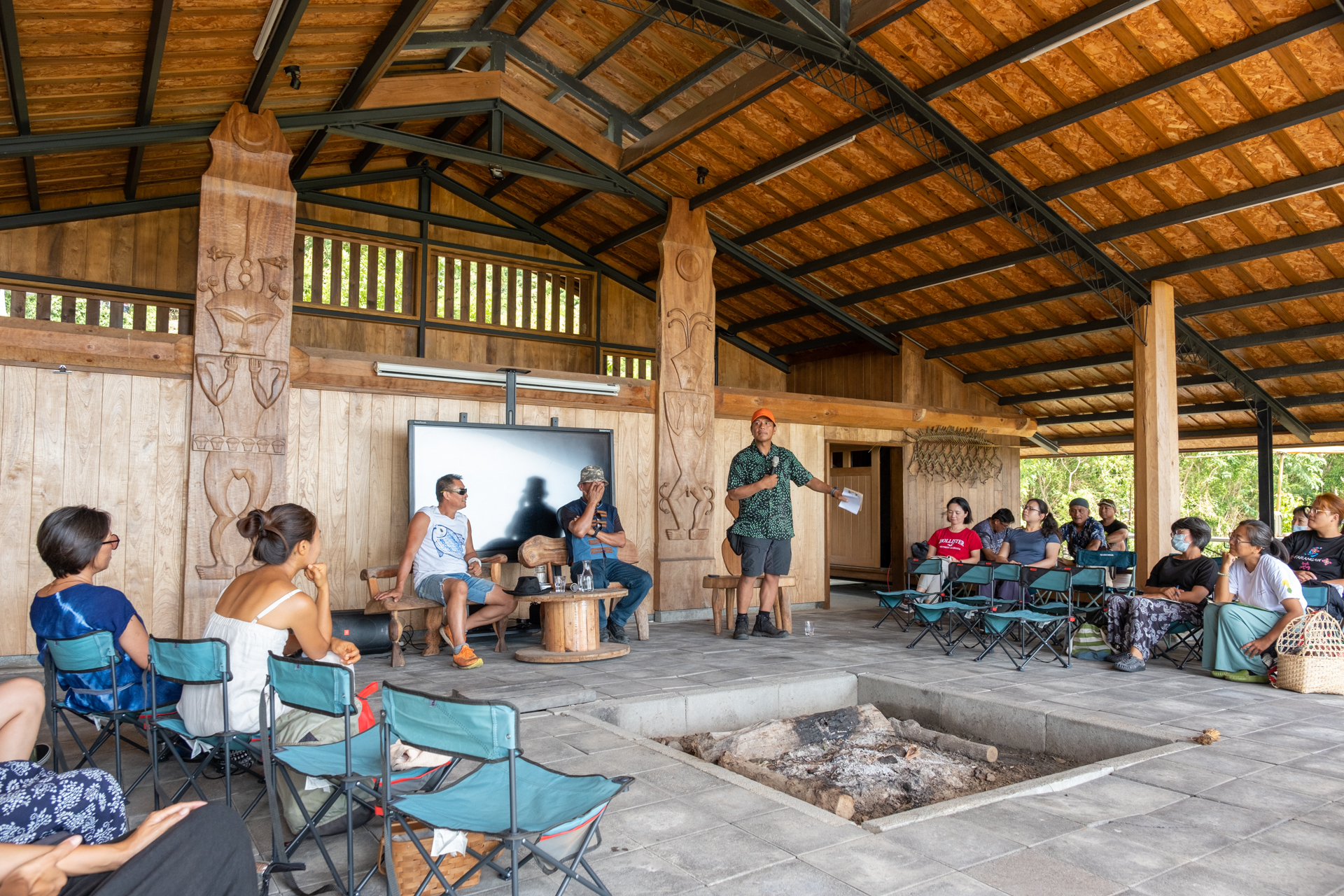
Taitung Hunter School Educational Base Introduction
[Hunter School: A Cultural Education Base for the Inheritance of Hunter Spirit] The Hunter School was established in 2004 by Paiwan writer Takirung Sakanu, located in the mountainous area behind the Lalaulan village in Taitung's Taimali Township. Its establishment aims to address the challenge of the existing education system's gradual alienation from indigenous culture, by conveying the core values of hunter culture through environmental experiences and life education. The "hunter spirit" advocated by the school emphasizes the wisdom of coexisting with nature, understanding the language of the land, rain, and mountains, learning the values of sharing and community, and passing on this spirit to the next generation. [Core Values and Educational Practice] The core values of the school are embodied in three main principles: "Be kind to people, cultivate beauty, and have sensitivity to the environment and land." This education not only imparts cultural skills but also aims to cultivate students' sensitivity to environmental protection and social responsibility. Its educational practices are diversified, including: 1. Cultural Education: Offering cultural courses, women's forest programs, and youth camps to convey the values of hunter culture suitable for students of different ages and backgrounds. 2. Public Participation: Activities like "Singing for the Land" and "Wild Boar Meetings" focus on environmental issues and promote community dialogue. 3. Youth Networking: Hosting Paiwan youth conferences and inter-village gatherings to discuss issues and unite youth power. 4. International Cultural Exchange: Leading Taiwanese indigenous youth to overseas programs to learn about the operational models of other indigenous organizations, broadening their international perspectives. [Founder and Cultural Inheritance] Sakanu's literary work "Wild Boar, Flying Squirrel, Sakanu" is not only well-known but also has been designated as part of the curriculum at Harvard University. He illustrates through his own experiences how to reconnect with the land through education, helping students establish self-identity. Sakanu believes that such education can allow children to grow trees from within and create rivers, shaping unique life qualities. [Reconstruction and Innovation] A fire in 2019 destroyed the founder's home, which also served as the base for the Hunter School. However, Sakanu did not give up; he continued to work towards his vision, enabling the school to create its own base in the mountains and inviting artists to integrate culture, art, and nature deeply through installation art. Several buildings have been completed. The design of these spaces incorporates Paiwan architectural elements and sustainable concepts, balancing cultural traditions with modern needs while considering typhoon resistance and green energy applications. These include the Dapeng House (a gathering space shaped like an eagle spreading its wings, overlooking the Pacific Ocean, combining modern architecture with traditional crafts), the Haohau Classroom (an educational space designed specifically for women to support female students in exploring themselves and nature), and the Archery Workshop (a learning space for archery crafts that combines traditional skills with modern educational needs). [Sustainable Vision for Education] "The land and nature are borrowed from our children." Through courses and activities, the school not only conveys the concepts of respecting nature and caring for the land, but also inspires participants to cultivate aesthetics and environmental awareness, practicing a sustainable and harmonious future. The Hunter School is not just a cultural education base, but also a modern experimental field that embodies the spirit of the Paiwan people, building a bridge that connects nature and culture while respecting tradition and innovating the modern.
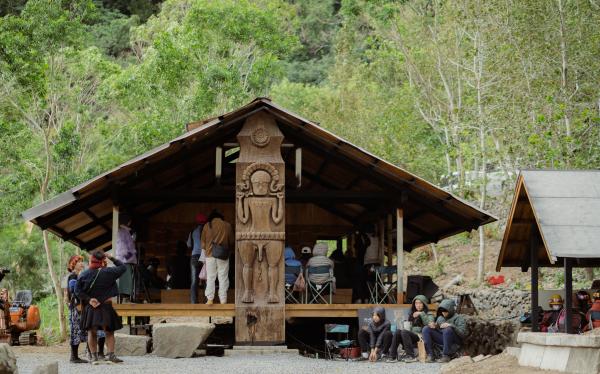 Group House
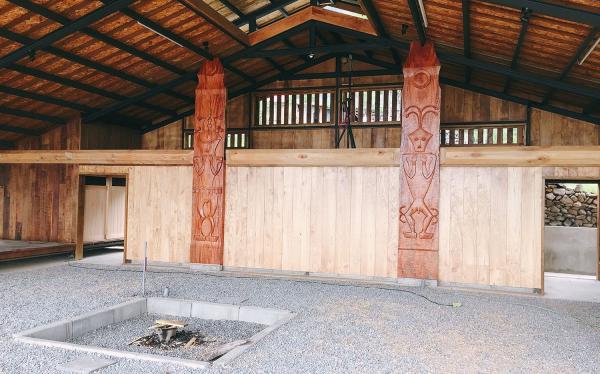 Dapeng Bay