Lnl Original Space Introduction
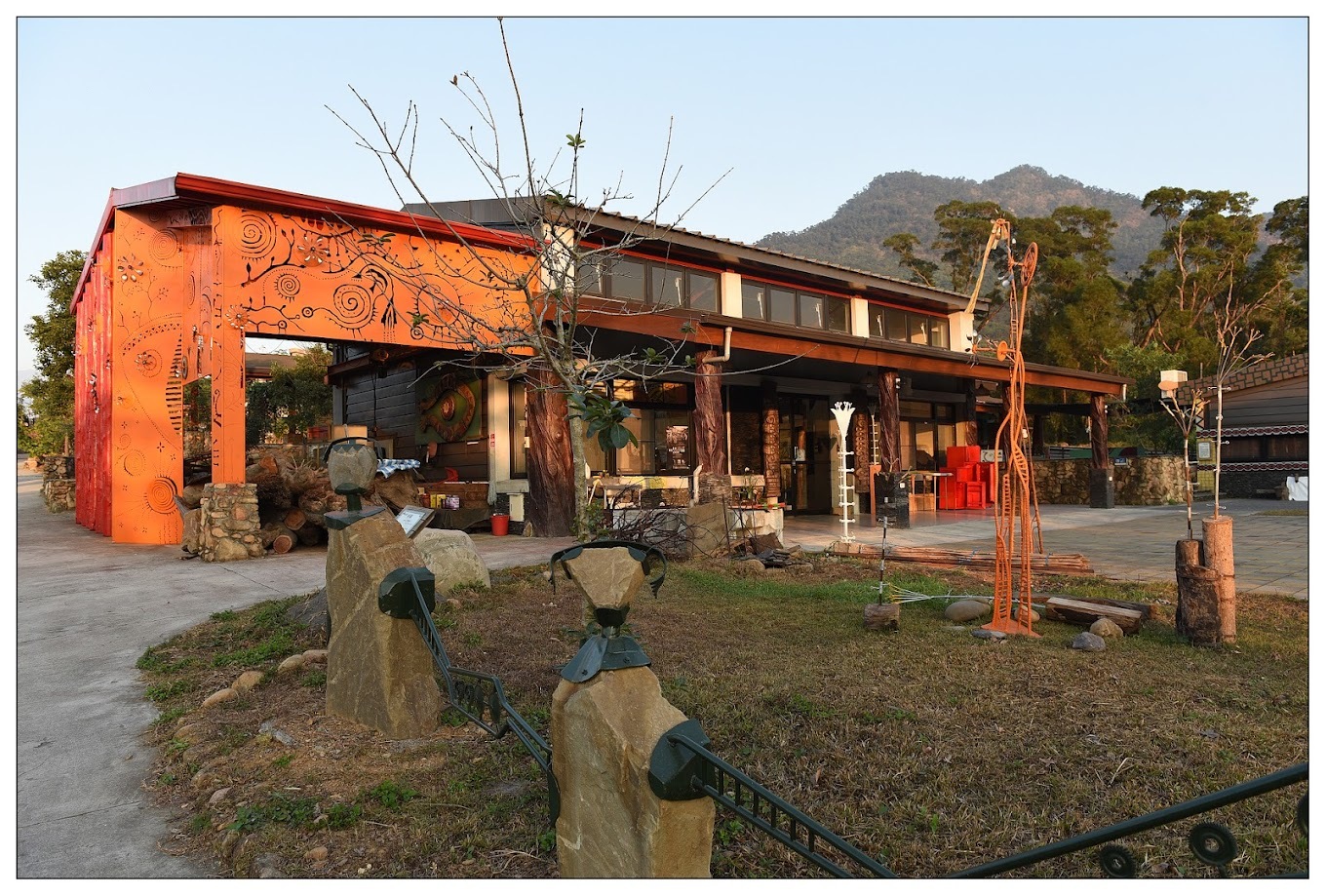
Lina'ali Permanent Housing Base is located at the boundary between Majia Township and Neipu Township, and has been rich in cultural and historical stories since ancient times. This place used to be a site for the exchange of goods between the Paiwan and Rukai tribes, where the tribes maintained a peaceful and coexisting relationship through this exchange venue. With the passage of time, this land became Taiwan Sugar Corporation's Majia Farm, but after the devastating Typhoon Morakot in 2009, it was given a new mission as a post-disaster reconstruction home. The destruction brought by Typhoon Morakot forced the residents from the villages of Dasha in Sandimen Township, Majia in Majia Township, and Haocha in Wutai Township to seek new homes. With the assistance of government departments and Taiwan World Vision, these tribal residents relocated to the Lina'ali Permanent Housing Base in December 2010, starting a new chapter in their lives. The name Lina'ali comes from the Paiwan language, meaning "a place where we walk together, and everyone goes there together," symbolizing the courage of tribal residents to rise again after the disaster and conveying the spirit of coexistence and mutual prosperity among different ethnic groups. The Lina'ali community is made up of residents from three townships and three villages, including the Paiwan and Rukai tribes, making it an important place for cultural exchange and integration due to its diverse cultural background. Dasha Village is the birthplace of Sandimen Township and a treasure trove of Paiwan crafts, excelling in weaving, wood carving, embroidery, and pottery, with each craft item containing cultural significance. Visitors can participate in hands-on experience courses to personally feel the aesthetics of Paiwan life. Haocha Village is the origin of the Rukai tribe, where traditional culture is closely linked to the natural environment. Residents pass down the essence of Rukai culture through ceremonies, clothing, language, and handicrafts. Visitors can join local activities to dance with residents and taste traditional cuisine while experiencing Rukai accommodation facilities. Majia Village is famous for its food culture and specialty agricultural products, with local delights such as coffee and Japanese plums being particularly loved by tourists. The food culture of Majia Village also allows visitors to understand indigenous people's wisdom in life. During the post-disaster reconstruction, the Pingtung County Government built four major workshops to develop tourism and craft industries in Lina'ali, providing an important platform for residents to showcase their handicrafts. In 2015, the first "Art Festival on the Slopes" was held here, attracting artists and tourists, establishing Lina'ali as a center for artistic exchange. After 2015, the four workshops merged and were renamed "Lina'ali lnL Original Space," not only displaying handicrafts but also serving as a venue for conveying cultural stories. Through exhibitions and workshops, this space enables more people to learn about indigenous cultures and helps community residents gain economic support through their creations. The story of the Lina'ali community is not only a success story of post-disaster reconstruction but also a testament to cultural integration and coexistence. The community residents use wisdom and creativity to transform past traumas into hope, and through art and culture, they breathe new life into this land. For every visitor, Lina'ali is not merely a travel destination but a journey of cultural exploration and spiritual growth. Here, every house, every craft, and every dish contains stories and emotions of indigenous people, allowing one to deeply feel the depth and breadth of culture.
 Lina's Original Space-2
 Lianari Original Space - 3