Alishan Dabang Mayasvi Cultural Path Base Introduction
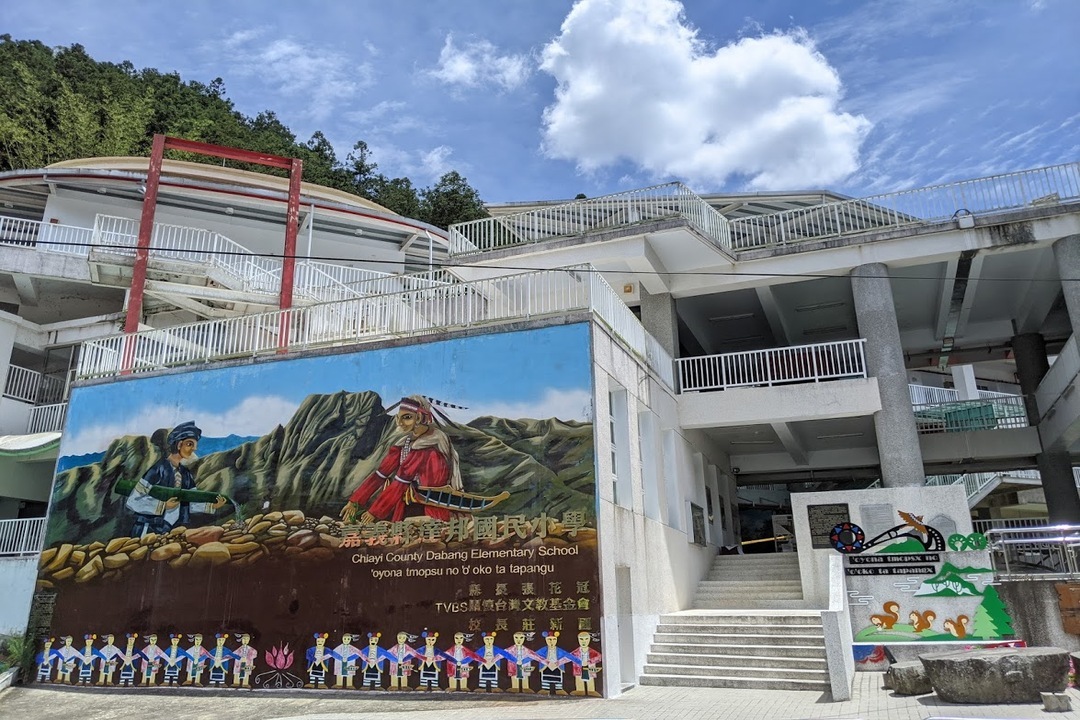
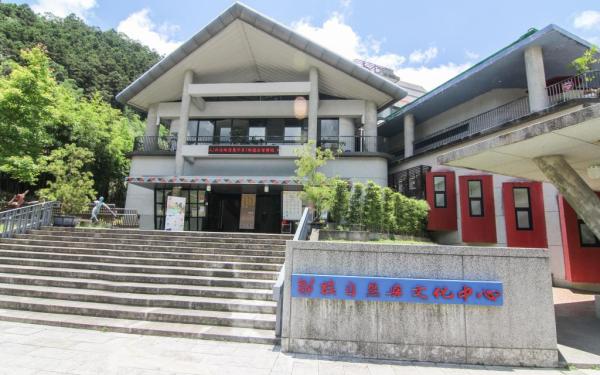
Tapangʉ is one of the important settlements of the Tsou people in Alishan Township, Chiayi County, with a rich cultural heritage that includes ritual traditions, oral history, handicraft skills, and natural scenery. These cultural features are not only an integral part of Tsou life but also symbolize the identity of the community. This organization has been committed to preserving and promoting the cultural characteristics and stories of the Tapang community, hoping to continue the transmission and development of these cultural assets in modern society through cultural tours, educational promotion, and local revitalization. Cultural Characteristics of Tapangʉ: 1. Seasonal Ritual Culture: The core culture of Tapangʉ is reflected in three major seasonal rituals: the miyapo sowing festival marking the beginning of the year, the homeyaya millet harvest festival symbolizing family reunions and visits, and mayasvi (which has completed an important preservation project). These rituals are not only religious ceremonies but also vital connections between the various families of the village, nature, and the spirits. 2. Japanese Colonial Period: From 1895 to 1945, Taiwan became a Japanese colony, significantly impacting the development of the Tapang community. The Japanese began constructing infrastructure such as roads and public buildings, transforming the village's appearance. Many Japanese-style buildings from that time still stand, serving as historical witnesses. Currently, there remains a well-preserved and structurally intact Japanese official residence. 3. Handicrafts and Cultural Skills: The handicraft skills of the Tapang community embody the cultural aesthetics and life wisdom of the Tsou people. Women in the village excel in weaving and use natural materials to create practical items like rattan baskets and traditional clothing, while men are skilled in wood carving and bamboo crafting. These handicrafts play an important role in rituals. The Tapangʉ community places great importance on cultural protection and heritage. Its historical and cultural context is profound, and its unique ritual traditions and wisdom of coexisting with nature symbolize Taiwan's diverse culture. A Tsou Culture and Nature Center has been established here, and through years of efforts, various activities have been organized to allow more people to understand and experience Tsou traditional culture. This project centers around the mayasvi traditional ritual, combining space renovation and exhibition, cultural tours, and experiential itineraries to achieve a comprehensive goal of cultural preservation, educational promotion, and local revitalization. We hope to enhance the recognition and experience of Tsou history and wisdom through the activation and innovation of cultural assets, establishing Tapangʉ as a demonstration base for cultural preservation and innovative practice.
 pic
pic
 213715