Fishery Experience Center Introduction
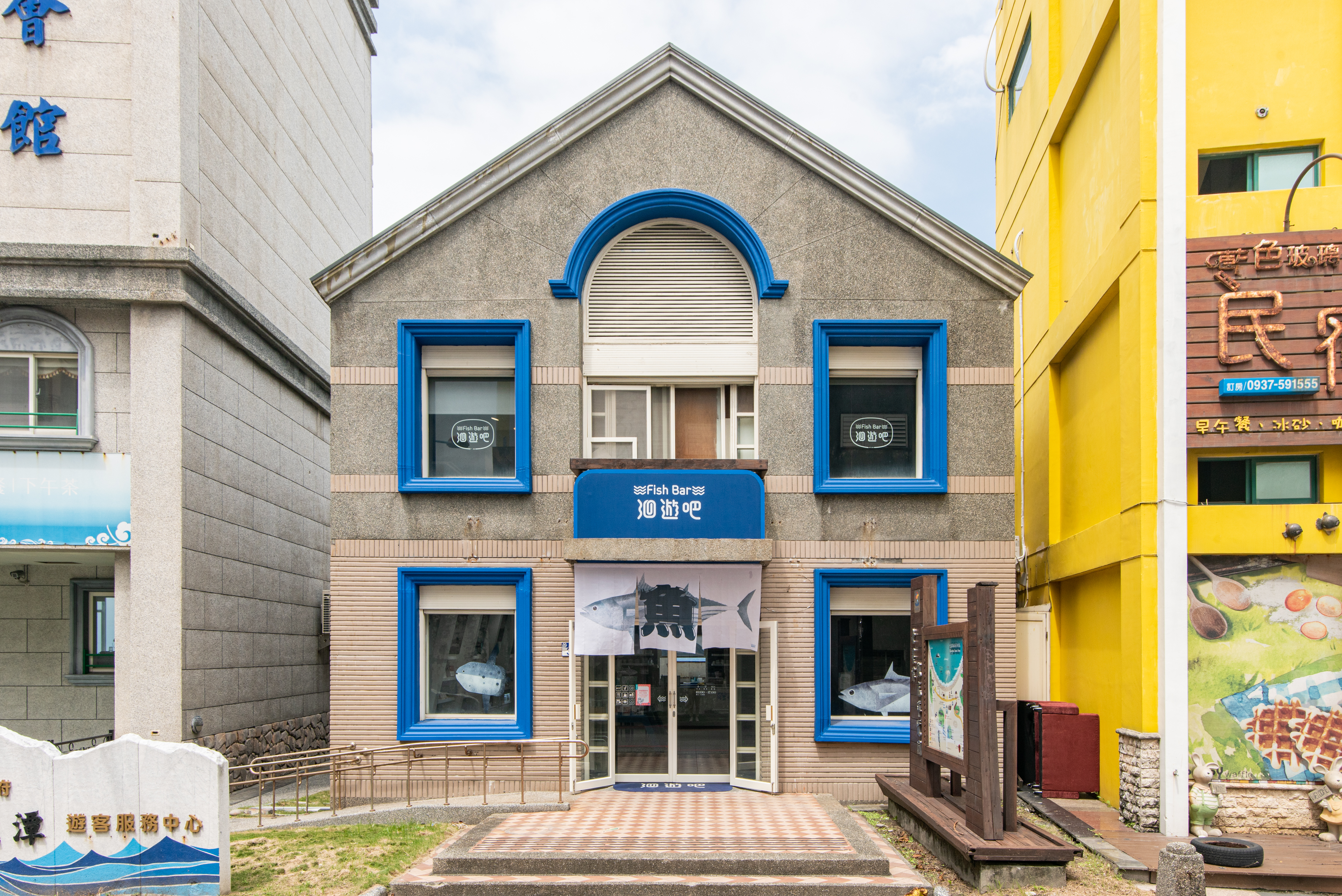
▌Qixingtan's Ocean, Fisheries, and Life Qixingtan Bay in Hualien County is rich in fish resources due to its proximity to the Kuroshio Current. Early inhabitants sustained themselves through nearshore fishing, shaping a local landscape where "ocean, fisheries, and life" are closely intertwined. As times, population, and industries changed, Qixingtan evolved into an internationally renowned tourist spot, with numerous guesthouses, cafes, and bike paths for leisure activities. Traditional fishing has gradually declined, accompanied by the loss of cultural heritage and a significant reduction in fishing village scenes. The Huiyuba team recognizes the urgency of this cultural disconnection and has deeply engaged in Qixingtan since 2016, innovating ways to blend Qixingtan's century-old fishing industry and culture with "fish education" and "marine sustainability." Through cultural experiences, digital technology, and local特色 cultural souvenirs, they aim to present the history of fisheries in a new light to the public. ▌From "Seeing the Sea" to "Understanding the Sea" ■ Marine Culture: The Kuroshio Current brings diverse and seasonal catches, making Qixingtan an ideal place for fish education. The fish experience center popularizes knowledge about the eastern marine environment, fishing resources, fishing gear, and methods. Through guided displays, interactive experiences, and product packaging, visitors are encouraged not only to enjoy fish but also to understand the importance and impact of the marine environment and fisheries, fostering a national awareness of marine culture. ■ Culinary Culture: The bonito fish is the main catch in Qixingtan, Hualien, and the bonito flakes processing technique introduced during the Japanese colonial period is a local cultural characteristic. Huiyuba builds upon this foundation, combining traditional skills with innovative processing under the concept of "whole fish utilization," extending bonito from a single use as bonito flakes to fish education experience activities and innovative processed products like popcorn, fish floss, and gin. Among these, "Bonito Gin" integrates traditional smoking techniques with creative cuisine, showcasing a blend of tradition and modernity. ■ Fishing Village Culture: Fixed net fishing, line fishing, and spear fishing techniques were introduced during the Japanese colonial period, with a history of over a century, particularly the highest density of fixed net fishing. During the peak periods of the 1980s and 1990s, there were more than twenty fishing grounds and over a hundred fishing nets in Hualien. However, with social changes and depleting fish resources, only three fishing grounds and five sets of fixed nets remain in operation at Qixingtan today. This "fishing village culture" may seem unfamiliar to today's visitors or younger generations, but it encapsulates the historical interaction and coexistence of people with the sea in the past. Under the promotion of Huiyuba, these forgotten or overlooked historical memories are being rediscovered through oral records, image exhibitions, cultural experiences, and other means. ▌Repositioning Qixingtan with Marine Culture and Fish Education Although Qixingtan has gradually lost its traditional fishing village appearance due to tourism development, it still contains rich marine culture and fishing heritage. In the face of traditional decline, the Huiyuba fish experience center actively translates local fishing culture, integrating "fish education" and "marine sustainability" concepts. Through exhibitions, experiential activities, and product design, visitors can comprehensively appreciate the intertwined aspects of "ocean, fisheries, and life" in Qixingtan through visual, taste, and cultural contexts. Qixingtan thus transforms from merely a picturesque photo spot to a marine cultural base rich in educational, cultural, and community co-prosperity values.
 02 Base Seaside
 08 Second Floor_Common Fishing Gear and Methods in Taiwan