Chungguang Village, Zhangshui God Stone Tablet Introduction
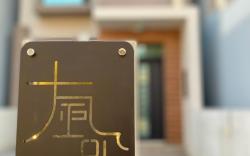
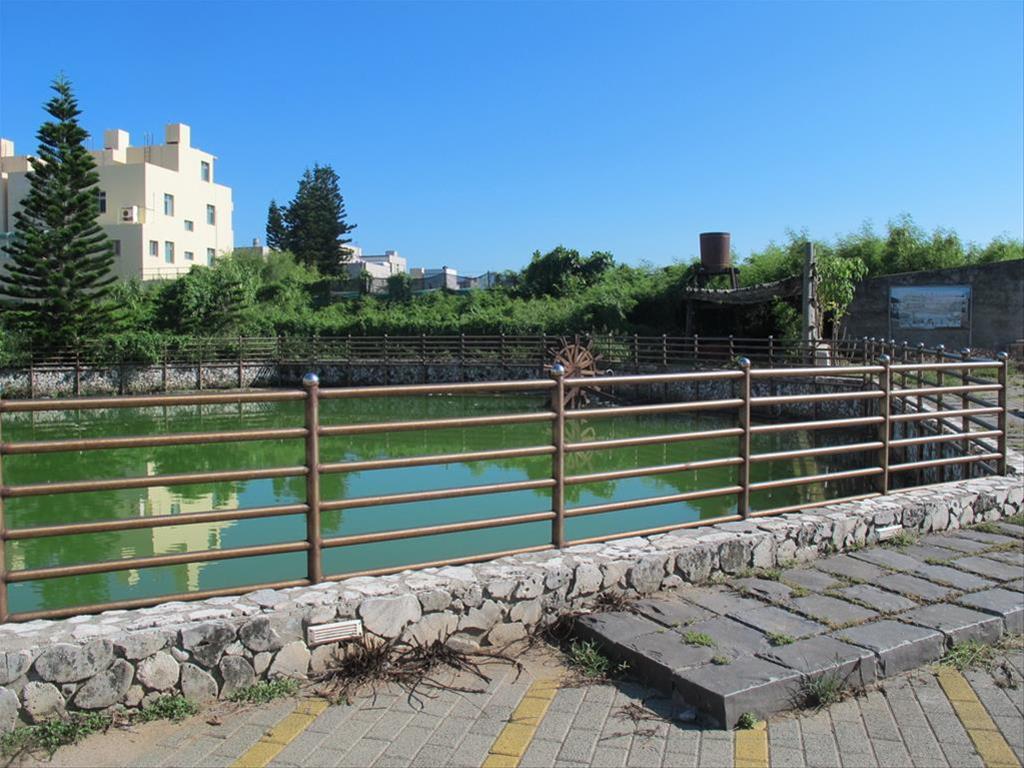
Chongguang Village, commonly known as Houku Pond before World War II, has a topography that is higher in the south and lower in the north. In the early days, rainwater accumulated and formed three ponds: "Sun Pond," "Middle Pond," and "Moon Pond." During the expansion of the Weiling Temple in 1935, the Lingxiao Pagoda was renovated, and the "Zhang Shui God" stone tablet was placed, which is said to be used to break the "water arrows" flowing from the southern paddy fields toward the settlement. Additionally, the curved surface of Moon Pond faces north, serving the function of breaking the water crisis of the Humen area. Source: Partially excerpted from "Introduction to Sun Moon Lake in Chongguang Village." Appearance of the Shigandang: Stela type Inscription on Shigandang: Text, symbols Construction form: Stone arc Dimensions: 0.41m * 0.16m * 1.28m Orientation: 197° southwest Inscription content: "Thunder orders for the general to break water, ward off the 36 heavenly spirits and 72 earthly kills." Chongguang Village, commonly known as Houku Pond before World War II, has a topography that is higher in the south and lower in the north. In the early days, rainwater accumulated and formed three ponds: "Sun Pond," "Middle Pond," and "Moon Pond." In 1935, during the expansion of the Weiling Temple, the Lingxiao Pagoda was renovated, and the "Zhang Shui God" stone tablet was placed, which is said to be used to break the "water arrows" flowing from the southern paddy fields toward the settlement. Additionally, the curved surface of Moon Pond faces north, serving the function of breaking the water crisis of the Humen area. Source: Partially excerpted from "Introduction to Sun Moon Lake in Chongguang Village."