Lianhua Pond Research Center, Forestry Research Institute, Council of Agriculture Introduction
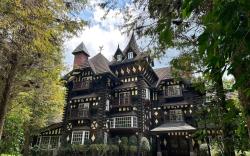
Introduction to the Center The Lianhua Pond Research Center was established on April 23, 1918, originally named the "Medicinal Plant Cultivation Experimental Site," located in Wucheng Village, Yuchih Township, Nantou County. In 1933, it was renamed the "Lianhua Pond Experimental Site"; in 1943, it became known as the "Lianhua Pond Branch"; after the restoration in 1945, it was designated as the "Lianhua Pond Branch of the Forestry Research Institute"; in 1949, it was transferred under the jurisdiction of the Agricultural and Forestry Department of the Taiwan Provincial Government; in 1999, it was renamed the "Lianhua Pond Branch of the Forestry Research Institute under the Council of Agriculture," Executive Yuan; in 2002, it became the "Lianhua Pond Research Center of the Forestry Research Institute under the Council of Agriculture," Executive Yuan; and in 2023, it was renamed the "Lianhua Pond Research Center of the Forestry Research Institute under the Ministry of Agriculture." The Lianhua Pond Experimental Forest has rich biodiversity, with a current survey identifying 177 families, 561 genera, and 879 species of higher plants, including 589 indigenous species and 290 introduced species. There are 78 species of wild birds. Additionally, 24 species of frogs, 10 species of lizards, 11 species of reptiles, 20 species of mammals, and insects such as 131 species of butterflies, 524 species of moths, 14 species of fireflies, 50 species of dragonflies, 24 species of beetles, and approximately 150 species of true bugs have been surveyed. There are about 384 species of large fungi. Thus, this center carries out long-term monitoring of the images and soundscapes of the flora and fauna within the experimental forest area and executes comprehensive conservation and maintenance operations. Forest Therapy In recent years, Lianhua Pond has been dedicated to developing "Forest Therapy," which utilizes the high-quality forest environment of the center, combined with local specialties such as red tea, honey, and mushrooms, and incorporates horticultural therapy course arrangements to develop a series of experiential activities that promote the balance of body, mind, and spirit, creating a niche therapeutic leisure space. The center also assists local residents to become therapeutic guides to increase employment opportunities in the mountain village and to implement the goals of ecological, productive, and lifestyle balance. Opening Hours The natural park trails are open all day. For entry to the exhibition hall and center facilities, or for group tours and development of natural education courses, please contact the center in advance. It is generally recommended to visit between 09:00 and 17:00.