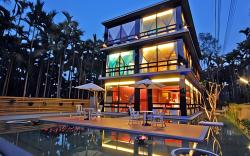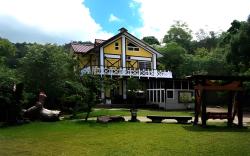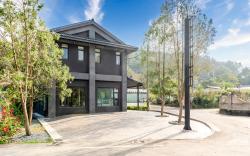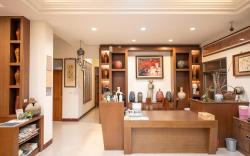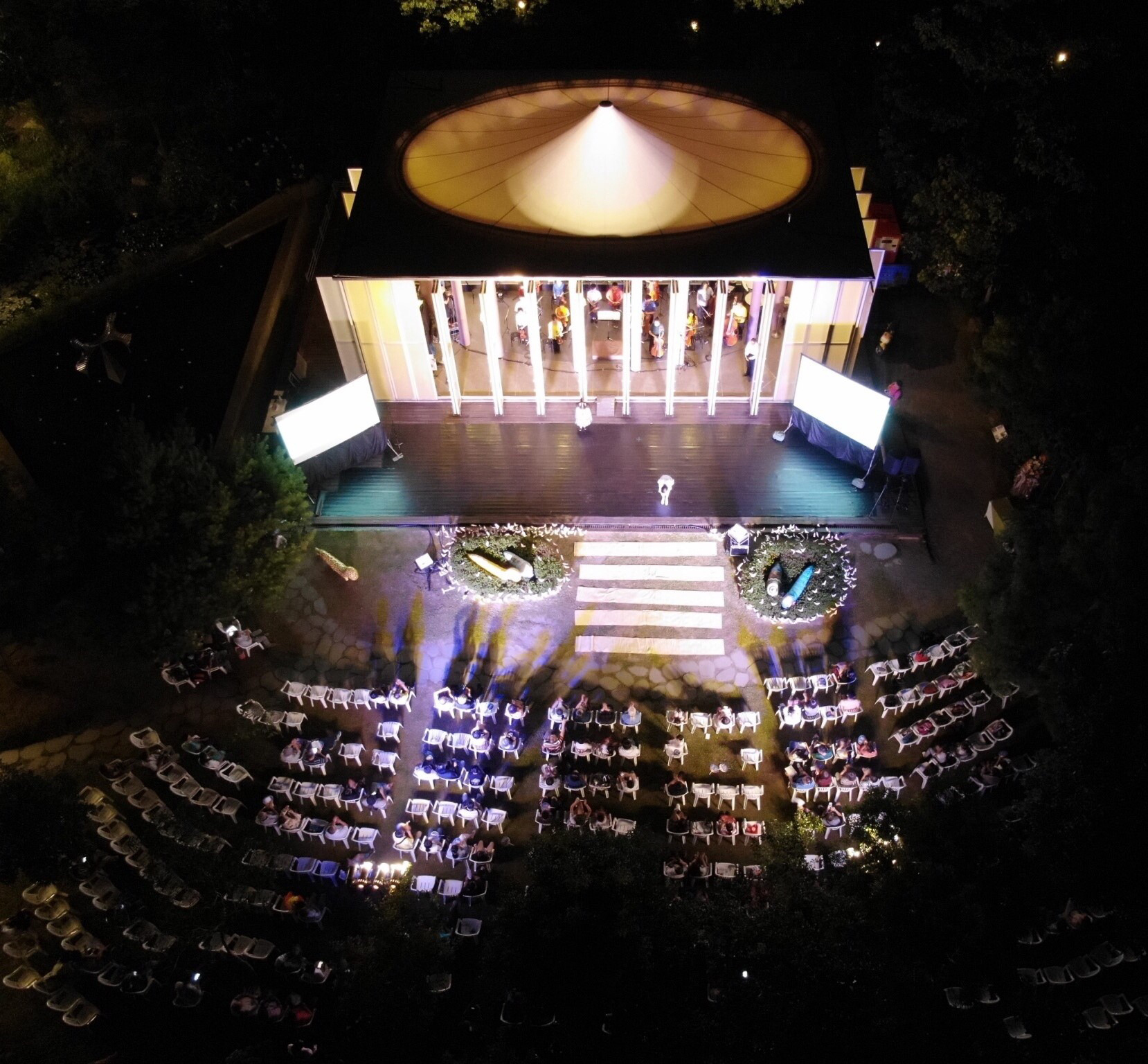
Paper Dome New Homestead Learning Park Introduction
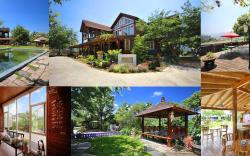
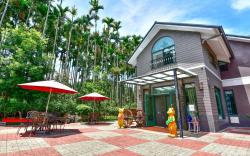
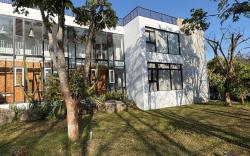
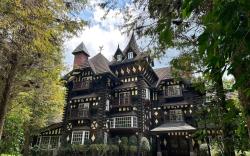
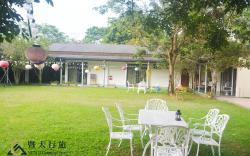
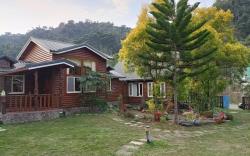
1. The Birthplace of Reconstruction after the Great Earthquake - The 921 Earthquake in 1999 severely impacted Puli Township, particularly in Taomi Village, where over 60% of houses were damaged. After the earthquake, the New Homeland Cultural and Educational Foundation assisted in community rebuilding. Research showed that Taomi is home to 70% of Taiwan's native frog species. "Is it possible to transform ecology into an ecological industry?" For 25 years, Taomi has adopted the core development philosophy of "Ecology as the foundation, industry for use, culture taking root, and local autonomy." Through educational learning, the community's transformation has been established. The native seedlings cultivated in nursery classes have become a unique landscape for the community; ecological pools built using ecological techniques nurture biodiversity; and the interpretation class, homestay class, and catering class have constructed an ecological tourism service system. From 1999 to 2013, the average household income in Taomi increased from NT$560,000 to NT$980,000, transforming it from the poorest community in Puli Township to an area with the highest income growth rate in the rebuilt region, serving as an important model for local regeneration and providing a reference for other countries. 2. The Paper Church of Love and Mutual Aid - The Paper Church carries the friendship between Taiwan and Japan after the earthquakes. After the 1995 Great Hanshin earthquake, architect Shigeru Ban built the Paper Church for the destroyed Eikoku Church, becoming a bridge for community rebuilding. In 2005, the Paper Church was relocated to Taiwan and reopened on the 9th anniversary of the 921 earthquake, marking the beginning of the New Homeland Cultural and Educational Foundation's venture into social enterprise. The Paper Church promotes and facilitates post-disaster regeneration and community building, driving regional revitalization through the operation of social enterprises. Since its opening, it has attracted over 4.27 million visitors from both domestic and international locations, generating NT$420 million in economic value, with its surplus supporting public welfare initiatives of "New Homeland." The Paper Church has expanded the network of community rebuilding between Taiwan and Japan, connecting Kobe, Niigata, the 311 earthquake, and the Kumamoto earthquake, continuously fostering a spirit of cross-border love and mutual assistance. 3. The Scenic Landscape of Satoyama - The eco-park showcases works by architects Shigeru Ban, Qiu Wen-Jie, and Chen Ming-Yuan, highlighting the unique aesthetics of the resilience of paper, the flexibility of steel, and the elasticity of bamboo. The area features 18 artistic landscapes that tell the story of people and land after the earthquake. The learning area integrates the sustainable management philosophy of satoyama, becoming a model for social-ecological productive landscapes. The park continues to promote ecological towns and talent cultivation, maintains diverse biological habitats, and develops friendly agriculture, serving as an important base for environmental education and green tourism. 4. The Rebirth of the Butterfly Kingdom - Between 1960 and 1975, over 20 million butterflies were processed annually in Puli from various parts of Taiwan, with as many as 47 butterfly processing companies. Due to shifts in the market and habitat destruction, butterfly processing became a declining industry. Starting in 2011, the New Homeland initiated the "Rebirth of the Puli Butterfly Kingdom" project, which encompasses everything from investigating the history of the butterfly industry to training ecological interpreters; from creating butterfly habitats to establishing a butterfly database; from promoting butterfly environmental education initiatives to founding the Puli Butterfly Symphony Orchestra; and from developing butterfly lacquer crafts to creating dining experiences with butterflies. The aim is to utilize the elements of butterflies to translate and apply local values, forming a new sense of community and connection to the land through ecology, culture, industry, and community collaboration.
 Paper Dome Concert
 Paper Dome Butterfly Installation Art