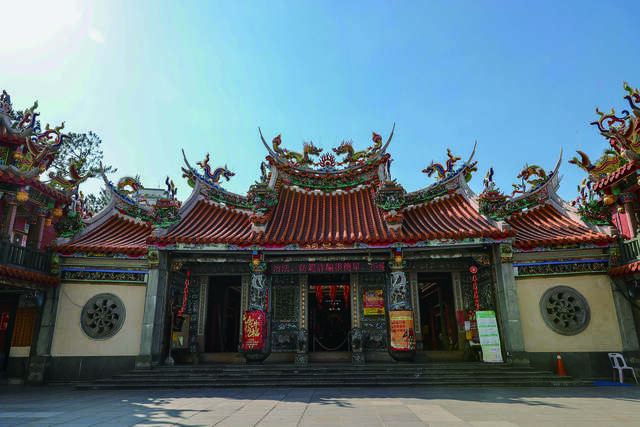
Pingzhen Baozhong Temple (Yimin Temple) Introduction
The Baogong Shrine in Pingzhen District, Taoyuan City, was built in the 56th year of the Qing Dynasty's Qianlong period (1791 AD) and is primarily dedicated to the spirit of the righteous (Yimin Ye), also known as Yimin Pavilion. In the 7th year of the Qing Dynasty's Xianfeng period (1857 AD), local residents raised funds to expand the shrine and renamed it Baogong Shrine. Subsequent renovations and improvements have shaped the temple we see today. Most Yimin temples in Taiwan only have a plaque for the righteous, but the Pingzhen Baogong Shrine features a golden statue of Yimin Ye, reflecting respect for the spirit and hopes for believers to have a more tangible understanding of Yimin's spirit. The main deity worshipped at the Shrine is Yimin Ye, and there are also other common deities of Hakka communities. Baogong Shrine serves not only as an important center of local faith but also, in its early years, saw the establishment of pavilions and gardens on its grounds. Many visitors stroll through the garden, enjoying various flowers and trees, after paying respects at the temple during the Lunar New Year. Yimin Ye represents the Hakka ancestors who sacrificed their lives to protect their homeland, embodying the spirit of love for their home among the Hakka people, and holds a unique significance for them. With over two hundred years of history, the Shrine attracts a wide range of believers nationwide, particularly from the Pingzhen, Zhongli, and Yangmei areas. During the Yimin Festival in the seventh month of the lunar calendar, residents from the thirteen major villages in Zhongli and Pingzhen participate enthusiastically in the celebrations and rituals at the temple. (Image source: Pingzhen Baogong Shrine)