Jiang A-Hsin Western-style House Introduction
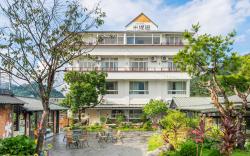
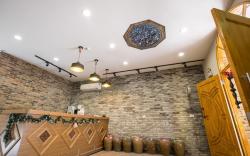
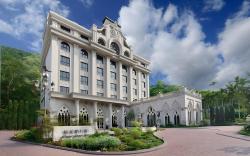
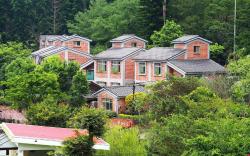
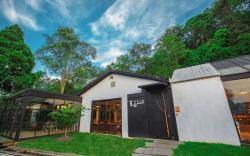
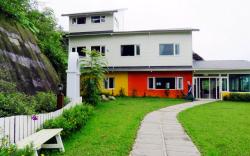
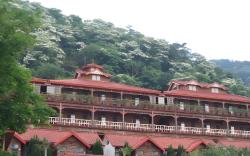
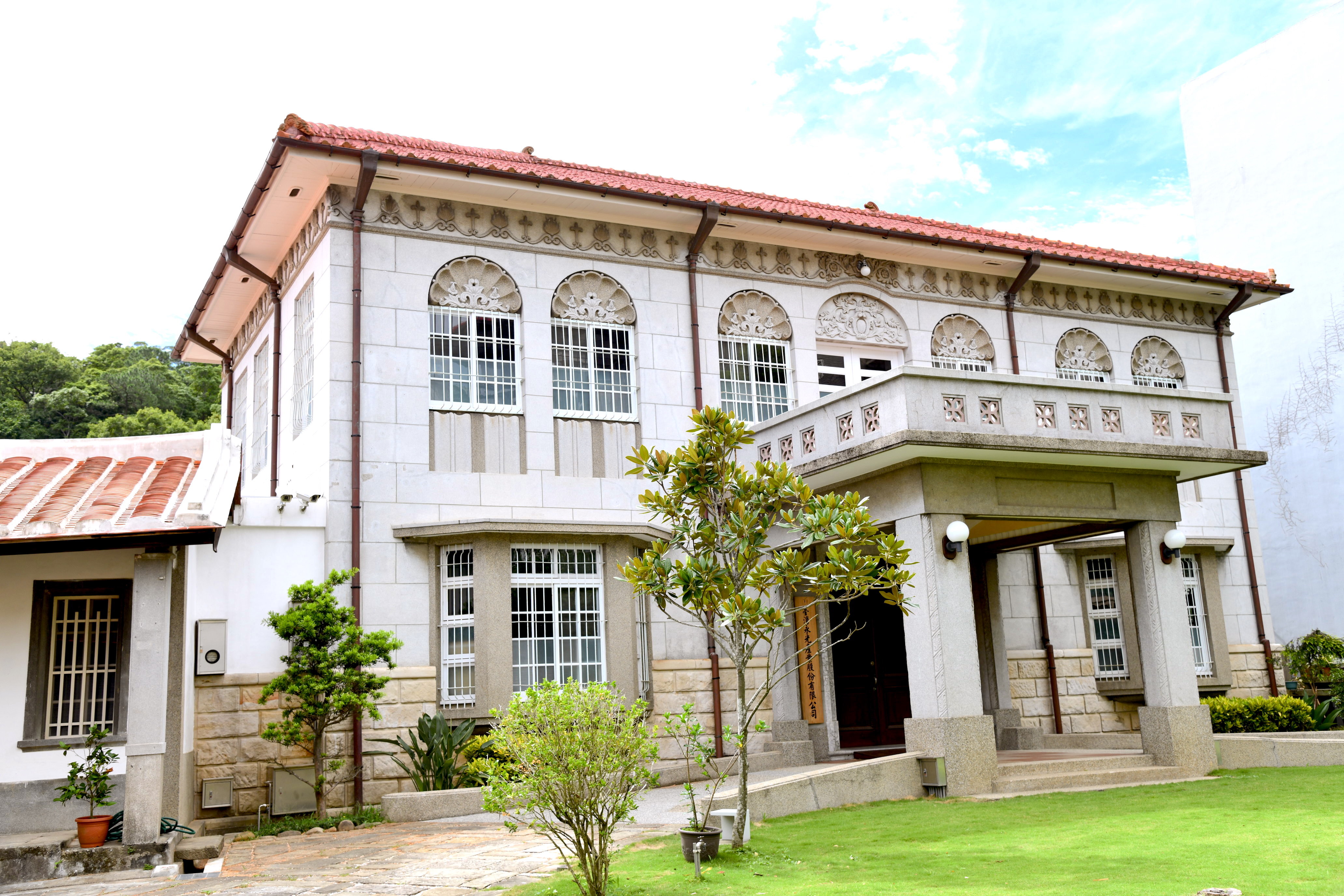
Jiang Axin Western-style Mansion was built in 1946 and took three years to complete. This mansion was considered a magnificent example of Western architecture at the time and served as a venue for entertaining distinguished guests in Jiang Axin's tea business, while also functioning as a residence. Connected to Tianshui Hall, Jinguangfu Mansion, and Citian Temple, it showcased the influence of the Jiang family, forming a unique cultural landscape in Beipu. The unique aesthetic of Jiang Axin Western-style Mansion is reflected in its fusion of Eastern and Western architectural styles. Classical techniques such as semi-circular arches and protruding windows, along with decorative patterns, are derived from European traditions, and the exterior of the building displays various intricate and high-level masonry techniques. The walls are constructed from stone sourced from Beitou, hinting at the splendor of that era. The interior features a significant amount of timber sourced from timber yards, incorporating materials like Wuxin stone, cypress, camphor, beech, and fragrant cedar, all used in an interwoven manner. The delicate carvings boast strong Eastern symbolism of good fortune. The design of the mansion balances aesthetics with functionality, incorporating innovative features like ventilation openings and water basins, making it an impressive architectural work. Jiang Axin had a romantic personality and loved adventure and innovation; he commissioned the young architect Peng Yuli, who was not bound by tradition, to design the mansion. The craftsmen involved were all local, allowing the mansion to become a shared memory for the people of Beipu. Due to its unique architectural craftsmanship and its historical significance in witnessing the development of Beipu's tea industry, it was designated as a county-level historic site in 2001 and completed restoration in 2018, now operated by the Jiang Axin Education Foundation. The Jiang Axin tea kingdom once experienced a glorious era, revitalizing the economy and benefiting the local community. Despite setbacks in business, the spirit of nurturing talent persists, as future generations continue to uphold the family legacy, inspired by Jiang Axin’s commitment to "reading beneficial books and practicing benevolent deeds." The mission is to promote long-term social development within the local community through education.
 P_20200106_152050_vHDR_Auto_HP
 88169056_2630094930602758_8677919672823185408_o