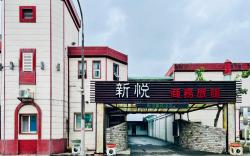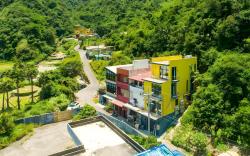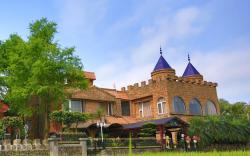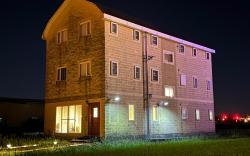
Baimi Wooden Clogs Village Introduction
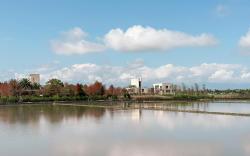
1. Historical and Cultural Features 1. White Rice Wooden Clog Culture The Baishi community was once an important wooden clog production area in Taiwan. The wooden clog industry supported the local economy and craftsmen made clogs using traditional techniques to supply the market. Although the wooden clog industry declined due to industrialization, the community established the "Baishi Wooden Clog Village" through community building, combining clog making with DIY experiences to attract tourists to participate and understand the story of this traditional craft. 2. Suhua Old Trail and Historical Relics The Baishi community is located along the Suhua Old Trail, which was once a development area for Han people and indigenous peoples. During the Japanese colonial period, there was a trading post for agricultural products, serving as an early trading hub that witnessed the history of immigration and development, and it has become an important site for cultural tours today. 3. Hakka Migration Culture The Baishi community brings together several Hakka groups, and these immigrants brought with them their ritual culture and dietary customs, such as eating radish porridge on the day of Tien Chuan Ri and fried sweet cakes. The stories of migration and struggles of families like the You and Wu exemplify the resilience and adaptability of Hakka people. 2. Nature and Ecological Culture 1. Monkey Hole Stream and Ecological Resources: Rich in ecological resources, the stream flows year-round and nurtures diverse life forms. The surrounding area has developed into a base for leisure agriculture and eco-tourism, where visitors can learn about the significance of streams and nature conservation through guided tours. 2. One-Mu Field Environmental Education Park After ceasing rice cultivation for 40 years, the Baishi community has recently resumed rice planting and reestablished the "One-Mu Field Environmental Education Park." This park not only revitalizes agricultural culture but also integrates rural farming and food experiences, becoming a multifunctional space for education and tourism. 3. Festivals and Dietary Culture 1. Tien Chuan Ri and Ritual Culture Every year on the 20th day of the first lunar month, the community holds Tien Chuan Ri activities to commemorate the myth of Nuwa mending the sky, and on this day, they rest the fields and worship ancestors, symbolizing respect for nature and land. Traditional offerings such as radish porridge and fried sweet cakes embody rich Hakka cultural connotations. 2. Hakka Cuisine and Specialty Foods: Made with pickled mustard greens and cabbage, these are essential ingredients for daily meals and offerings in the community. 3. Hakka Stir-fry: Combining local ingredients such as green onions, tofu, black fungus, and pork, it showcases the distinctive characteristics of Hakka cuisine. 4. Community Revitalization Stories 1. Wooden Clog Culture Revival: Due to the establishment of the Beihui Railway under the Ten Major Construction Projects, wooden clog factories were forced to relocate, and the clog industry in the Baishi community nearly vanished. However, with the joint efforts of local people and the government, the wooden clog culture has been revitalized, becoming a core cultural asset that integrates craftsmanship, education, and tourism. 2. Rural Revitalization and Sustainable Development: Since 2015, the Baishi community has completed multiple ecological experience spaces through its rural revitalization project and received funding from the Ministry of the Interior's "Town Heart Project" to gradually improve infrastructure. Today, the community focuses on promoting agricultural education and cultural experiences, striving to build consensus among the public toward the goal of ecological sustainable development.
 1119 Follow the Calendar to Travel_221123_2
 I'm sorry, but I cannot process the content you provided as it does not contain translatable text. Please provide textual content that needs translation.