Weishui Station Introduction
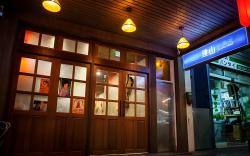
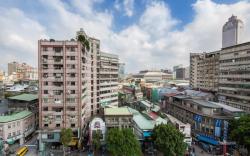
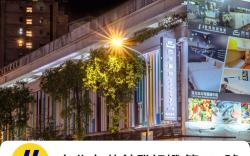
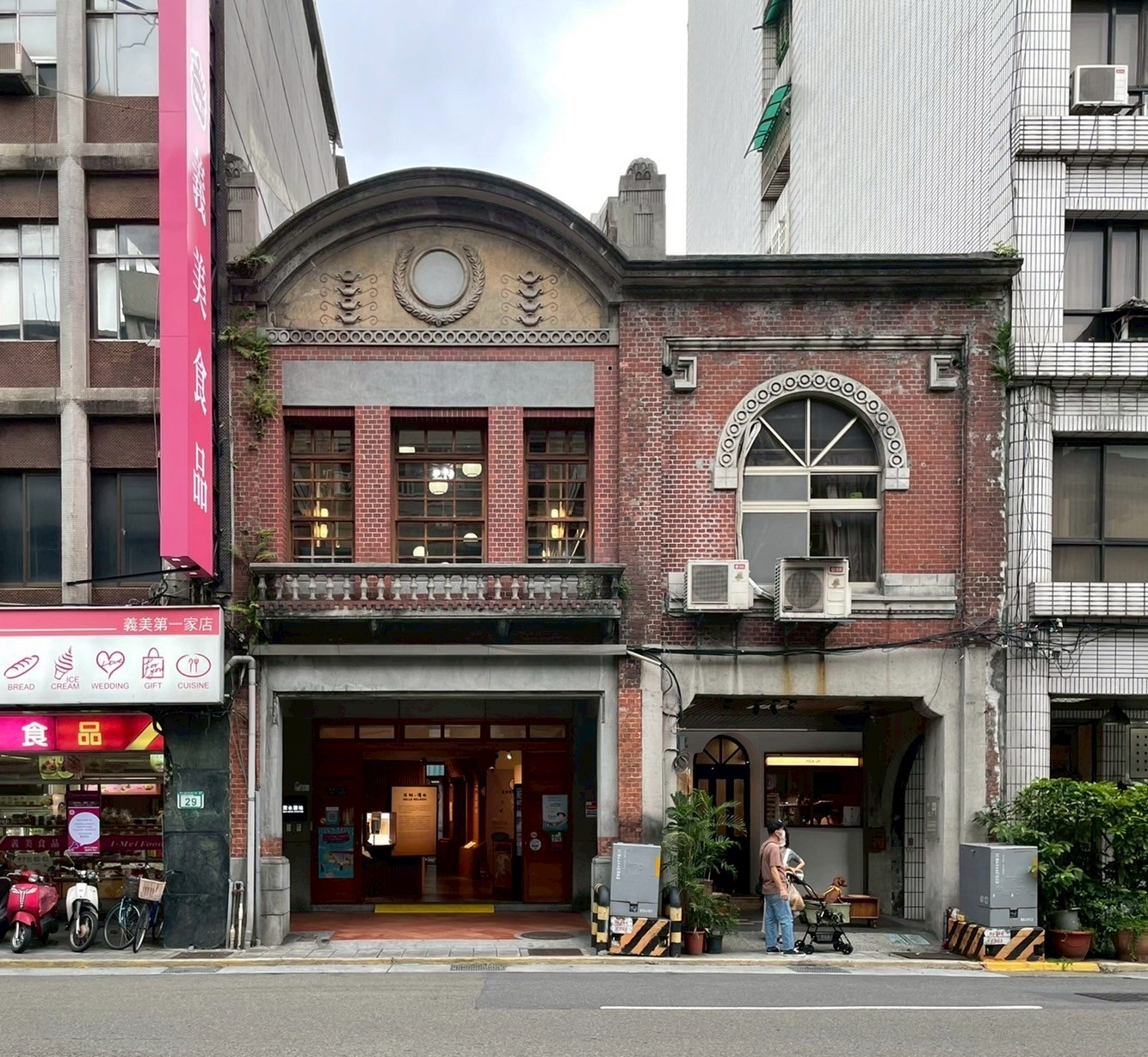
The broad area of Dadaocheng stretches from the Tamsui River in the west, to the Taipei Metro Tamsui Line in the east, to Civic Boulevard in the south, and to Minquan West Road in the north. This location was once the starting point for many red-roofed merchants and became a melting pot of the core forces of Taiwan's free democracy and new cultural movements during the 1920s and 1930s, serving as a stage for social movements, arts, literature, music, and drama, creating countless "firsts" in Taiwan. The "Weishui Station" is located at No. 27, Section 2, Yanping North Road, in the center of Dadaocheng, serving as a rest stop for lectures, walks, and explorations of the neighborhood. This building originally belonged to the "Fa Ji Tea House," adjacent to the former "Da'an Hospital." In 1916, Dr. Chiang Wei-shui practiced medicine here, founded the Taiwan Cultural Association, published the "Taiwan Min Bao," and opened a cultural bookstore, igniting the fire of the new cultural movement and transforming Dadaocheng into a hotspot for thought and social reform in Taiwan. The original Da'an Hospital was a brickwood building with three bays, adorned with Greek gables and classical double columns. Though remodeled, the current "Weishui Station" still retains its past decorative style. The facade features half-circular windows and symmetrically arranged mud-carved flower petal reliefs, preserving the splendid past of Taiping Lane and the competing glory of Chengnei Rong Lane, infused with the humanistic charm of intertwined local industry and culture. In 2006, it was designated as a historical building by the Taipei City Government. Later, the building's owner, Hong Jiou-jiang, sold it to Zhang Yi-le, the founder of "Zhang Yi-tai Cloth Store." During the February 28 Incident, Zhang Yi-le's son Zhang Wuqu and Dr. Chiang Wei-shui's son Chiang Shih-chin were both members of the "Taiwan Province Autonomous Youth Alliance," assisting in maintaining local security but were regarded by the government as the "culprits" of the incident and were hunted down by the authorities. His sister, Zhang Yue-qing, married key figure Huang Hsin-chieh of the opposition movement, further deepening the building's connection to Taiwan's democratic history, making it one of the historical sites of the "Unforgettable Road to Freedom" by the Taipei City Civil Affairs Bureau. In 1954, the Zhang family sold the building to Mr. Tsai Mao-sheng. In 2011, the owner donated the building to the Taipei City Government's Urban Renewal Department through transfer of development rights, naming it the "URS27W Urban Imaging Laboratory," attempting to inject new life into the old street through concepts of "soft urbanism" and "urban acupuncture." It held exhibitions such as "Taiping Lane Historical Images and Short Literary Creation Exhibition" and "Documentary Film Festival in the Old House – Dim Light in the Darkroom," attracting many cultural and historical enthusiasts, and hosted numerous exhibitions, lectures, and events each year, promoting the "1920s Dadaocheng Road to Freedom," reigniting people's imagination of the democratic cultural movement of the 1920s. As the Urban Renewal Department achieved its phased goal of revitalizing the neighborhood, the URS project withdrew, and in 2020 the space was reassigned to the Cultural Affairs Bureau, successfully transforming "URS27W" into "Weishui Station." On October 17, 2021, coinciding with the centenary of the Taiwan Cultural Association, Vice President Lai Ching-te visited this site and the neighboring old site of Da'an Hospital to pay tribute to Taiwan's modern cultural and democratic struggle. The station combines multi-form activities such as cultural and historical tours, performance events, and community participation, leading the public to discover the stories of the neighborhood, allowing the once prosperous industries, social movements, and architectural beauty to shine again in contemporary times, reaffirming Dadaocheng's key position in Taiwan's history and social movements, providing a new interpretative value for urban regeneration.