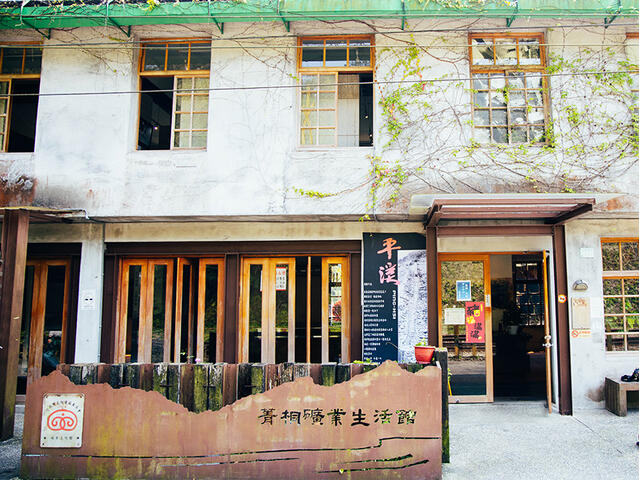
Jingtong Mining Life Museum Introduction
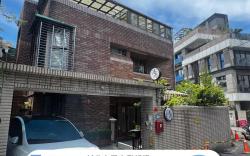
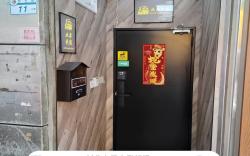
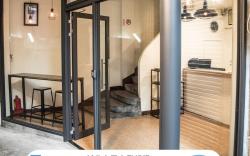
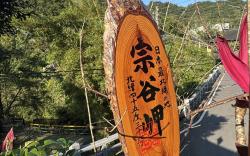
Pingxi District thrived due to coal mining and declined after the cessation of coal extraction. The Jingtong Mining Life Museum, modified from the former Taiwan Railway employee dormitory, showcases the development history of the Jingtong mining industry. Although all the mines in the area are now inactive, significant industrial heritage sites remain, becoming unique local resources, such as Jingtong Station, the coal washing plant, and the Pingxi Guesthouse, which were included in the Council for Cultural Affairs' list of 100 historical sites in Taiwan in 2001. By integrating tourism resources, the museum allows tourists to gain a deep understanding of local historical artifacts and culture. Additionally, local residents have long had a passion for their homeland, committing to research on the coal industry and the Pingxi Railway. Various groups, such as the Pingxi District Tour Guide Association and the Pingxi Charm Business Circle Association, have actively promoted local culture by organizing activities like railway culture workshops and seminars on mining and geological landscapes. The establishment of the Jingtong Mining Life Museum provides a venue to archive and display the achievements of these local teams over the years. In the future, it will further expand its scope by integrating the traditions of sky lanterns, the ecological landscape of the upper Keelung River, special geological formations of waterfalls and potholes, as well as the traditional dyeing industry, highlighting local characteristics. With convenient transportation via the Pingxi branch railway, it will promote the development of local culture and the tourism industry.