Museum of World Religions Introduction
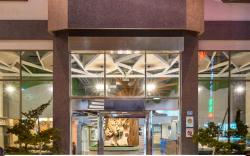
The Chung Tai World Museum is located in the Lotus Pond area at the foot of Hehuan Mountain in central Taiwan, harmoniously built in accordance with the mountain's shape. Adjacent to the Chung Tai Chan Monastery, it offers a panoramic view of the Puli Mountain Town amidst lush green mountains and clear skies. The Tang-style architecture, blending Chinese and Western design, stands majestically like the city of Chang'an, symbolizing the "protected Dharmadhatu" in Buddhism, serving as a city that safeguards Buddhist teachings and historical artifacts. For over 30 years, treasures donated by devotees have been meticulously crafted under the vision of founder Ven. Wei-Jue, creating a new landmark in central Taiwan for culture, spirituality, and relaxation. Upon entering the nine-meter high lobby on the first floor, it feels like stepping into the pure and radiant realm of Buddhist teachings. The ceiling above the central main Buddha is designed with a square dome representing the Buddhist concept of "ten directions and three times." As light filters through the colored glass featuring a lotus design, casting reflections on the circular arrangement of three levels of transformed Buddhas, visitors feel as if they are amidst a gathering of countless Buddhas and Bodhisattvas in the Flower Treasury World, leading them into the realm of Buddhist art. The Chung Tai World Museum is also the only museum in Taiwan with a complete collection of rubbing from a stele forest, showcasing the unique styles of calligraphy from various historical calligraphers. Visitors can appreciate the timeless artistic charm of masters such as Wang Xizhi, Yan Zhenqing, Zhang Xu, and Su Dongpo. The museum features an interactive area called Wooden Dharma Creation, where digital interactive sculptures allow both children and adults to learn how to create their own wooden sculptures.