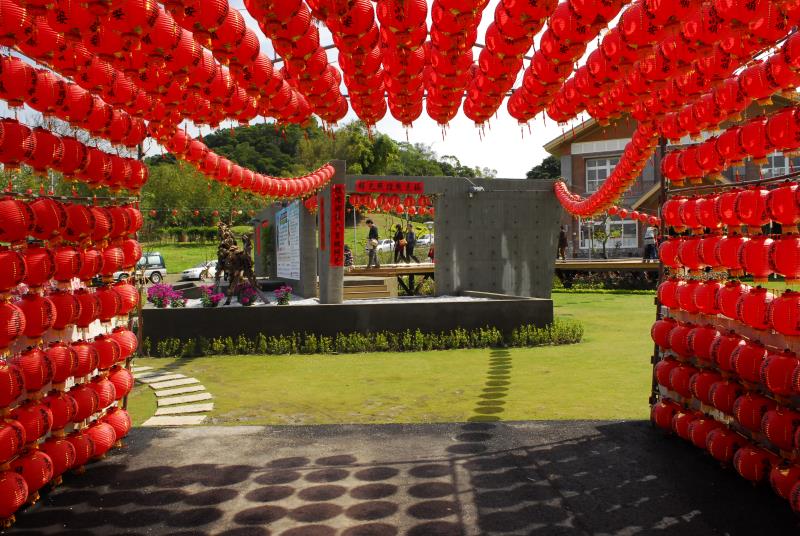
Majia Village Introduction
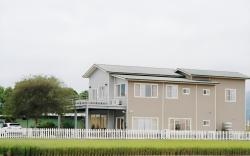
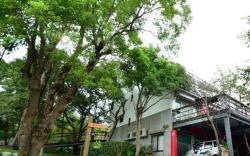
Ma Jia Zhuang's ancestors, like those of President Ma Ying-jeou, come from Fufeng County in Shaanxi Province. In 1993, Mr. Ma Ying-jeou met Professor Ma Chuan-zhen from the National Police University, who is the 21st generation descendant of the Ma family in the Fufeng Hall. In their conversations, they discovered that their ancestors came from the same region, with Professor Ma being a generation older than President Ma. It was later revealed that the ancestors of Ma Jia Zhuang settled in Taiwan after several migrations from Fufeng County in Shaanxi to Guangdong, while President Ma's ancestors migrated to Hunan before settling in Taiwan. Therefore, Ma Jia Zhuang and President Ma share common roots. After learning about the connection to Ma Jia Zhuang, starting in 1994, President Ma has returned every year on the second day of the lunar new year to pay respects at the Ma family's Fufeng Hall in Fengshuli, Tongxiao Township, Miaoli County. Initially, the ancestral rites were not publicly disclosed, but during his tenure as mayor of Taipei, he arranged gatherings with local villagers and clan members when returning home for the rites. Although there was a five-year hiatus, since 1998, he has continued to return to the Fufeng Hall every year on the lunar new year's second day to hold ancestral rites and has actively distributed red envelopes to villagers, fostering a festive atmosphere. Especially when seeing elderly villagers, President Ma personally congratulates them and engages in small talk. About Ma Jia Zhuang: Ma Jia Zhuang is located in Fengshuli, Tongxiao Township, Miaoli County, and is considered the second hometown of President Ma. It features a traditional courtyard-style village with preserved traditional earthen houses and charcoal kilns, exuding a strong rustic charm. The Ma family ancestral hall is named "Fufeng Hall," and it has an interesting couplet: "The Ma family ancestral hall shows brilliance; wise leadership nurtures the island's children. Nine ancestors come to assist him; faithful and loyal sons work hard. Ultimately, it is the will of heaven at the right moment to lead the clan to peace." The initial letters of each line combine to spell "Ma Ying-jeou as president," showcasing President Ma's popularity in the village. Rustic Charm of Ma Jia Zhuang: Located in Fengshuli, Tongxiao Township, Miaoli County, Ma Jia Zhuang became a popular tourist spot after Mr. Ma was elected as the 12th president on March 22, 2008. The entire village can be explored in just a few minutes, and it connects to Miaoli County’s main roads, including Highway 121 and Highway 36, leading to attractions like the Tongluo Science Park. Tongxiao Cihui Temple: The first stop for President Ma when he visits Miaoli's Tongxiao Township for ancestral rites is the Tongxiao Cihui Temple. He prays for Mazu's blessings for the safety of the people before proceeding to the Ma family ancestral hall, Fufeng Hall. The temple, located on Tongxiao Street in Tongxiao Township, is the spiritual center for local residents and was built in the 13th year of the Daoguang era (1837) during the Qing Dynasty, primarily enshrining the Heavenly Mother. It was founded by Zheng Ma-guan, a leader of the thirteen villages of Tongxiao, and the reconstruction and restoration involved many Hakka people, infusing it with rich Hakka cultural elements. Touring Ma Jia Zhuang: Visitors to Ma Jia Zhuang, the president's hometown, can explore the Ma family's Fufeng Hall along Yingjiu Avenue while appreciating the rustic cultural charm of the village. Nearby attractions in Miaoli include Feiniu Ranch, Tongxiao Ocean Resort, Qiumaoyuan, Huto Mountain Park, as well as the famous Dahu Winery, Sanyi Wood Sculpture Village, Tai'an Hot Springs, Mingde Reservoir, and trails walked by ancestors such as the Firewood Ancient Path, Charcoal Ancient Path, and Mingfeng Ancient Path. If seasonal conditions permit, visitors can attend the Miaoli Tung Blossom Festival, where the beautiful tung flowers symbolize the Hakka culture and romantic aspirations, allowing tourists in Ma Jia Zhuang to experience the beauty of the mountains and the warmth of the local people. Authentic Taiwanese Flavor Everywhere: The residents of Ma Jia Zhuang primarily speak Minnan (Hokkien) and predominantly worship Mazu, exuding authentic Taiwanese flavors throughout the village. As tourism and recreation plans develop, the county government intends to preserve the original rustic characteristics. The villagers of Ma Jia Zhuang are very friendly, and as many visitors from outside often find themselves lost when trying to visit, local residents have kindly created signposts for "Yingjiu Avenue" to help alleviate the hassle of asking for directions. Now, the Miaoli County government has also erected directional signs at the Tongxiao interchange along National Highway 2, ensuring that visitors from other counties can easily explore Ma Jia Zhuang in the future.