Pinglin Old Street Introduction
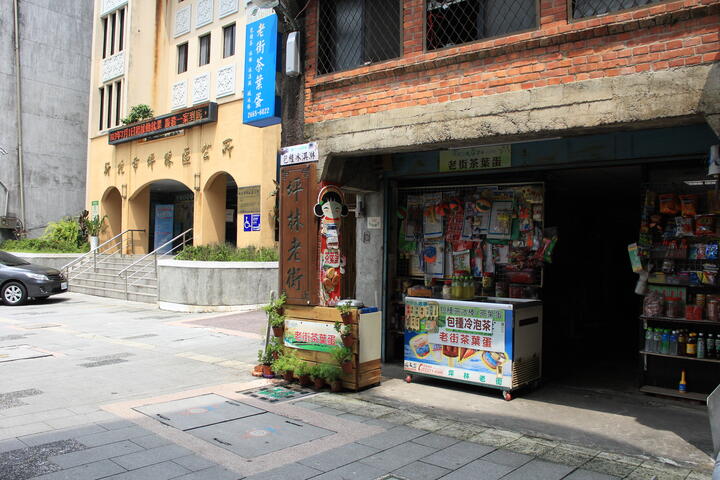
Pinglin, known for its Baozhong tea industry, is located in the middle section of the North-Yi Highway. Before the completion of the North-Yi Expressway, Pinglin was an important transit station between Taipei and Yilan. The Pinglin Old Street is about 200 meters long, centered around the local belief site, Baoping Temple. Along the street, there are tea houses, paper-sticking shops, snack stalls selling tofu, hardware stores, and other shops. The Pinglin District Office and Pinglin District Agricultural Association are also situated here. The products sold on Pinglin Old Street incorporate the local tea culture, including classic items like Baozhong tea leaves and tea eggs, as well as creative dishes that ingeniously blend Baozhong tea into various recipes: tea rice cakes, tea buns, tea nougat, tea oil noodles, tea mochi, tea macarons, tea porridge, tea ice cream, and tea celebration wine, each bite infused with the fragrance of Pinglin tea. The tofu on the old street is also famous for its smooth texture, made with sweet mountain spring water, offering a flavorful experience. Visiting Pinglin Old Street allows one to taste tea dishes and tofu, experiencing the charm of the tea hometown through the palate. Baoping Temple and Stone Houses are located at the center of Pinglin Old Street. Built in 1862, Baoping Temple is dedicated to the God Xuantian and serves as the spiritual center of Pinglin Old Street. The old street retains several century-old stone houses, with stones sourced from the Beishi River beside the old street. The stone walls are constructed using "人" and "丁" bricklaying methods, symbolizing the agricultural society's hopes for family prosperity. The rich fragrance of tea on the old street has attracted many swallows to linger, with their silhouettes between the eaves becoming a characteristic of the old street, adding vitality and interest.