Jinguoliao Tea Aroma Ecological Village

Taipei Attractions

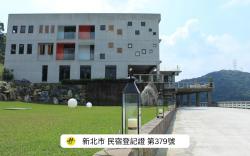
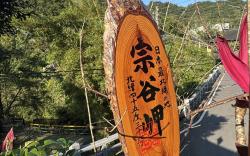
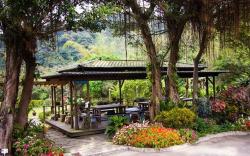
金瓜寮茶香生態村遠景
金瓜寮茶香生態村遠景

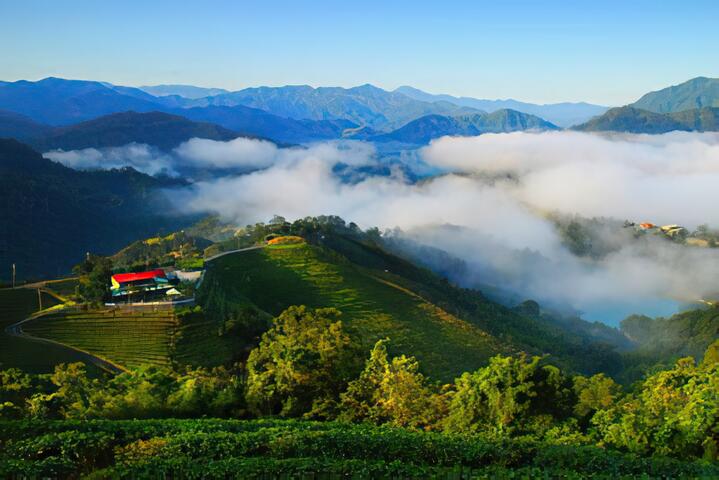
At the endpoint of the JinGuaLiao Creek Bicycle Path is the location of the JinGuaLiao Tea Aroma Eco-Village. Known for its Baozhong tea, the Pinglin District of New Taipei City has long been an important tea production center in northern Taiwan. The name "Tea Aroma Eco-Village" reflects the fact that most of the residents in the village make a living by growing and processing tea. With the opening of the Northern Yilan Expressway, Pinglin has become an important stop on this route and a center for the cultivation of "Wenshan Baozhong tea" and "Qingxin Oolong tea." The tea plantations in the Pinglin District are mainly distributed along the Northern Route 42, the JinGuaLiao Creek Industrial Road, and the hillsides beside the Northern Yilan Road. Taking a leisurely drive along the road, the undulating tea garden scenery is enchanting. The Beishi Creek and JinGuaLiao Creek meander through the area, carving out many beautiful deep pools and valleys, resembling the idyllic Peach Blossom Spring described by Tao Yuanming, creating a serene and peaceful atmosphere. This makes Pinglin a tea farming destination that combines beautiful mountain landscapes, water scenery, and rich cultural charm.

Address:Jinguayliao, Pinglin District, New Taipei City 232

Jinguoliao Tea Aroma Ecological Village Introduction

The front end of the Jinguayliao River Bicycle Path is located at the Jinguayliao Tea Aroma Ecological Village. Known for Bagua tea, the Pinglin District in New Taipei City has always been an important tea-producing center in northern Taiwan. It is named Tea Aroma Ecological Village because almost all residents in the village make a living by growing and processing tea. With the opening of the North-Yi Highway, Pinglin has become an important transit station along the highway and has established itself as a tea production center by cultivating two types of tea: Wenshan Baozhong tea and Qingxin Oolong tea. The tea plantations in Pinglin District are mainly distributed along County Road 42, the Jinguayliao River Industrial Road, and the hilly areas beside the North-Yi Road. As one travels slowly along the road, the undulating landscape of the tea gardens is enchanting, with the Beishi River and Jinguayliao River meandering through, creating many beautiful deep pools and valleys. It feels tranquil and serene, reminiscent of the Peach Blossom Spring described by Tao Yuanming, making Pinglin District a tea country destination full of both scenic mountain views and cultural charm.

Jinguoliao Tea Aroma Ecological Village Travel Information

Address:Jinguayliao, Pinglin District, New Taipei City 232


Transportation Methods:**Public Transportation:** Take the Green 12 bus from Xindian MRT Station and get off at "Huangju Pilyao" station. Walk about 3 minutes to "Dunan Qiao Tou" station, then transfer to New Taipei City New Bus 722 (towards Jiuyonggen 101) and get off at "Teima New Paradise" station. Walk about 5 minutes to reach your destination. **By Car:** 1. Take the Provincial Highway 7. About 3 kilometers before reaching Pinglin District, turn right when you see the Teima New Paradise sign. Continue straight past Baoren Temple to arrive. 2. If you're coming from National Highway 5, take the exit for Pinglin towards Taipei (Provincial Highway 9). Turn left at the Teima New Paradise sign after passing Baoren Temple, and continue straight to reach your destination.


Other Nearby Attractions: Jinxi StationJinguangliao River Bicycle PathPinglin Fish Viewing TrailPinglin Riverside Suspension BridgeGreen Light FarmPinglin Tea MuseumPinglin Ecological ParkGuanyin PavilionBeishi River Bicycle PathEmerald Tea Garden


Nearby Cuisine: Meichun Highway HotelGood Tea Restaurant (Original Shun Yi Tea House)Shih Fang Tea Food CuisineDeli Rest Area (Dongmuhe Tea House)Tea VillageHehuan Tea Banquet RestaurantHeart Bread BakeryFu Chang Trading CompanyHsiang Mao Candy FactoryMingyuan Lodge


Recommended Hotel Bookings