Taitung Sugar Factory Introduction
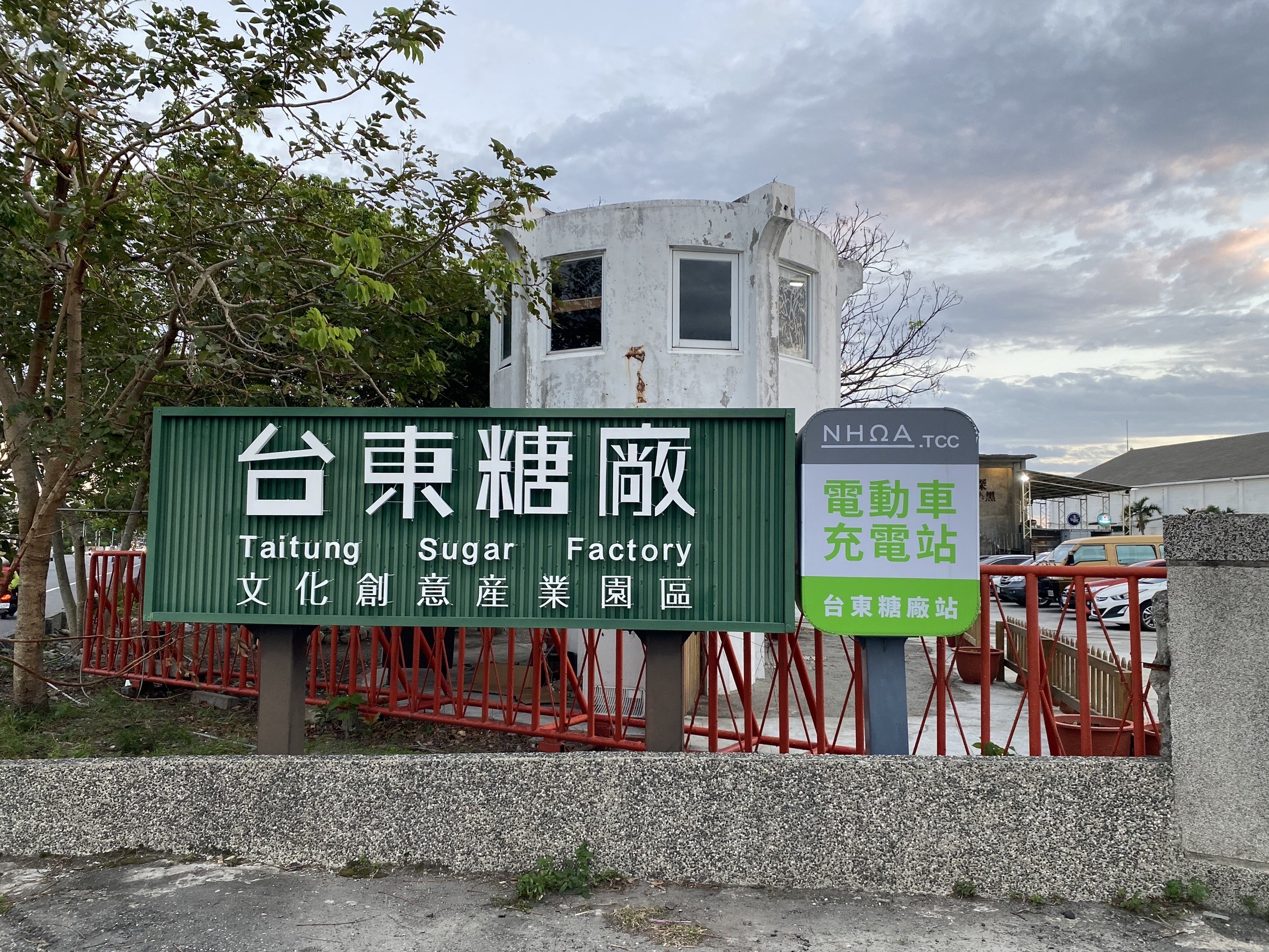
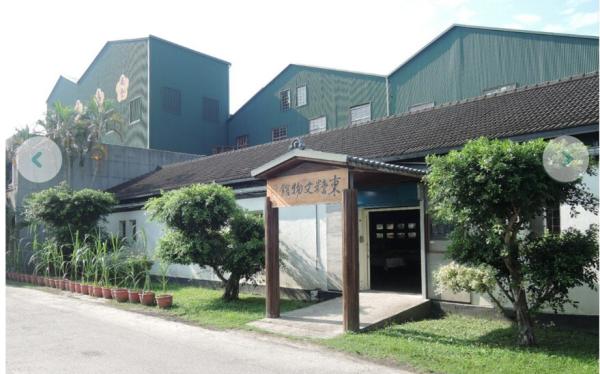
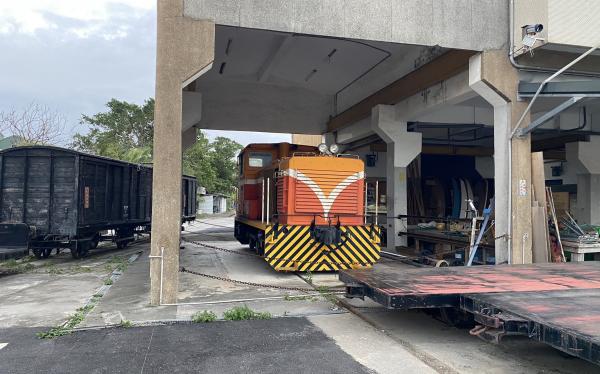
Taitung Sugar Factory was established in 1913 and belonged to Taitung Sugar Co., Ltd. during the Japanese colonial period. It ceased sugar production in 1996 due to environmental changes. With the recent trend of reusing historical buildings and abandoned spaces, Taitung Sugar Factory, with its long historical background and multiple cultural advantages, has been revitalized to provide a tourism and leisure destination for the public, preserving the local sugar industry culture and showcasing its excellent potential for space revitalization, which in turn promotes the prosperity of the Taitung area. This site is the largest existing industrial heritage in Taitung County, and the past sugar industry has left an indelible contribution to the county’s economic development and memories for future generations to appreciate. Year by year, plans are underway to reactivate the “Taitung Sugar Factory” as a cultural asset with commercial value, preserving the sugar industry culture while integrating local indigenous culture, allowing for teaching observations and tourism, gradually developing it into a “Cultural and Creative Industrial Park.” In 2004, the Taitung Factory was confirmed by the company’s development strategy as a “Cultural and Creative Industrial Park.” In 2004, it was registered by the Taitung County Government as a “Historical Building,” and from 2006 onwards, it has received funding from the Ministry of Culture for the renovation and revitalization of historical buildings year by year. The sugar storage yard's hoisting system was transformed into an outdoor stage, and industrial landscape iron sculptures like the Sweet Turning Wheel, Singing Iron Pipes, and Mecha Cop were added to create a rich industrial landscape art atmosphere. To actively transform into the Taitung Sugar Factory Cultural and Creative Industrial Park, Taitung Sugar Factory has combined local cultural and creative industries and artistic and cultural characteristics, recruiting local artists and businesses in the cultural, leisure, and dining sectors. Currently, about 34 businesses have settled in, including woodworking shops, traditional indigenous craft workshops, restaurants, weaving workshops, and bicycle rental shops. Visitors can explore local indigenous handicrafts and savor the culture of the sugar industry within the park.
 Sugar Factory 6
 Sugar Factory 4