Xiao Men Geological Exploration Museum Introduction
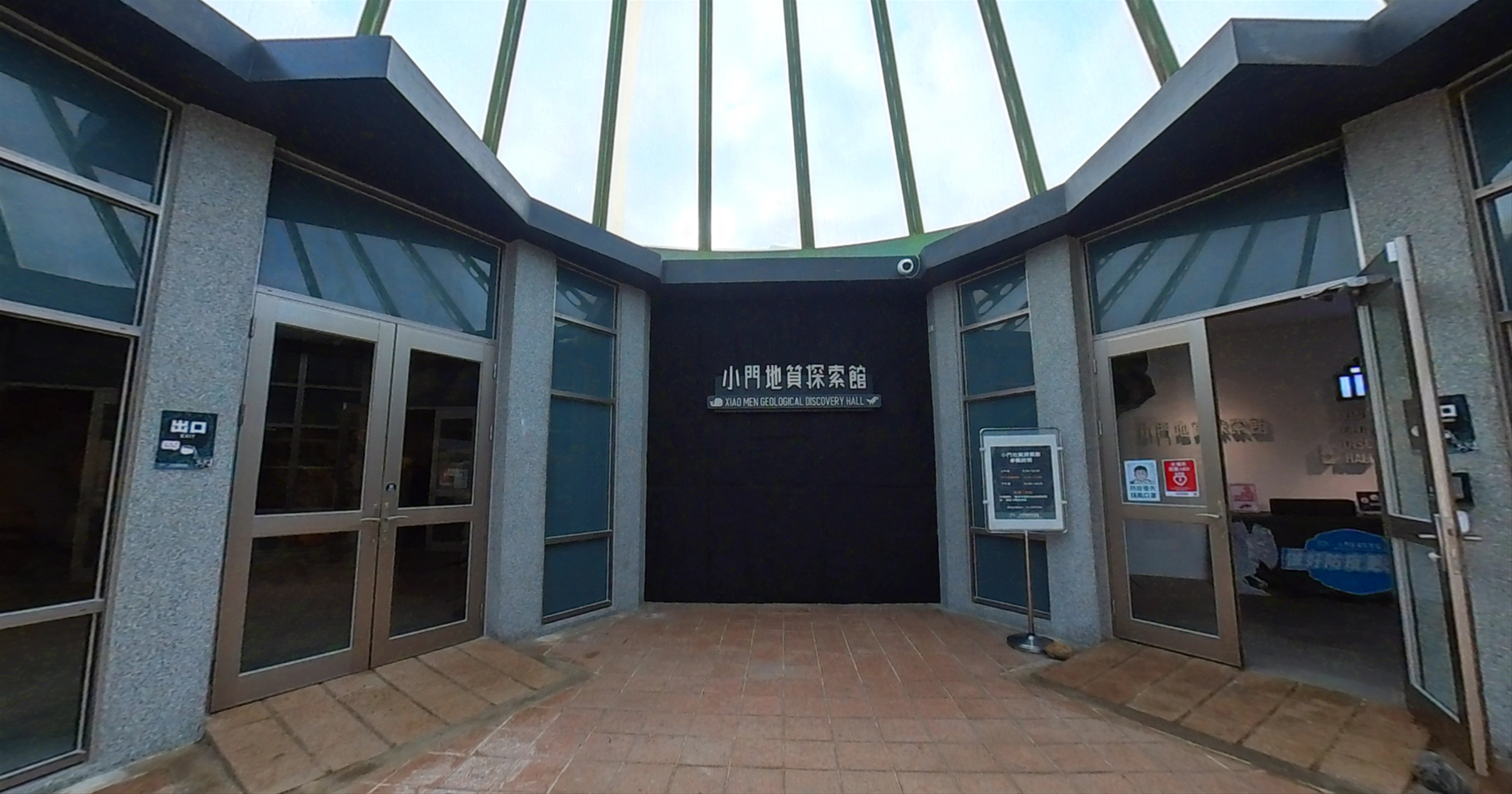
The Xiaomen Geological Exploration Museum underwent its third renovation in July 2020 and reopened at the end of January 2021, with a new name. It features a prehistoric theme that brings geology to life through stunning audio-visual effects. The museum is divided into six main areas: Entrance Image Service Area, Deep Sea Rock Area, Egg-shaped Projection Area, Dinosaur and Plant Model Scenic Area, Basalt Introduction Wall, and Exit Exhibition Area. Xiaomen Islet is located on the northern side of Xiyu in Penghu County (also known as Fisherman's Island), covering an area of 0.5121 square kilometers. It becomes an independent island during high tide and is nicknamed the "Pearl of Haomen" due to its proximity to the Haomen Rapids. A bridge (the Xiaomen Bridge) has since been built to connect it with Xiyu, and the Penghu National Scenic Area Administration has established parking lots and cycling paths, making it a famous scenic area in Penghu County. The name of Xiaomen Islet comes from a small path located east of Xiaomen Village, which runs between two basalt cliffs. In ancient times, residents of Xiaomen Village would use this path, which looked like a door from a distance, thus the area was named Xiaomen. Visiting Information for Xiaomen Geological Exploration Museum: 1. Ticket Prices and Eligibility: (1) The ticket pricing for the museum is as follows: - Full ticket: NT$30. - Concessional ticket: NT$15. (2) Visitors who meet the following criteria and present relevant identification documents are eligible for the concessional ticket price: - Individuals aged 65 and above (on holidays). - Students. - Honorary cardholders of volunteer police and firefighters. - Groups of ten or more. (3) Visitors who meet the following criteria and present relevant documents are exempt from the admission fee: - Children under six years old. - Individuals aged 65 and above (on weekdays). - Individuals or groups from public institutions who have applied for prior approval for business or educational promotion. - Government departments hosting international guests with prior approval. - Volunteers holding honorary service cards. - Persons with disabilities and one necessary companion. 2. Groups of ten or more can make a reservation three days in advance by calling [reservation phone number: 06-9982988]. All other visitors should purchase tickets on-site. 3. The museum has a cleaning time from 12:00 PM to 1:00 PM, so visitors are encouraged to visit between 8:30 AM - 12:00 PM and 1:00 PM - 4:30 PM.