Chaozhou Township Introduction
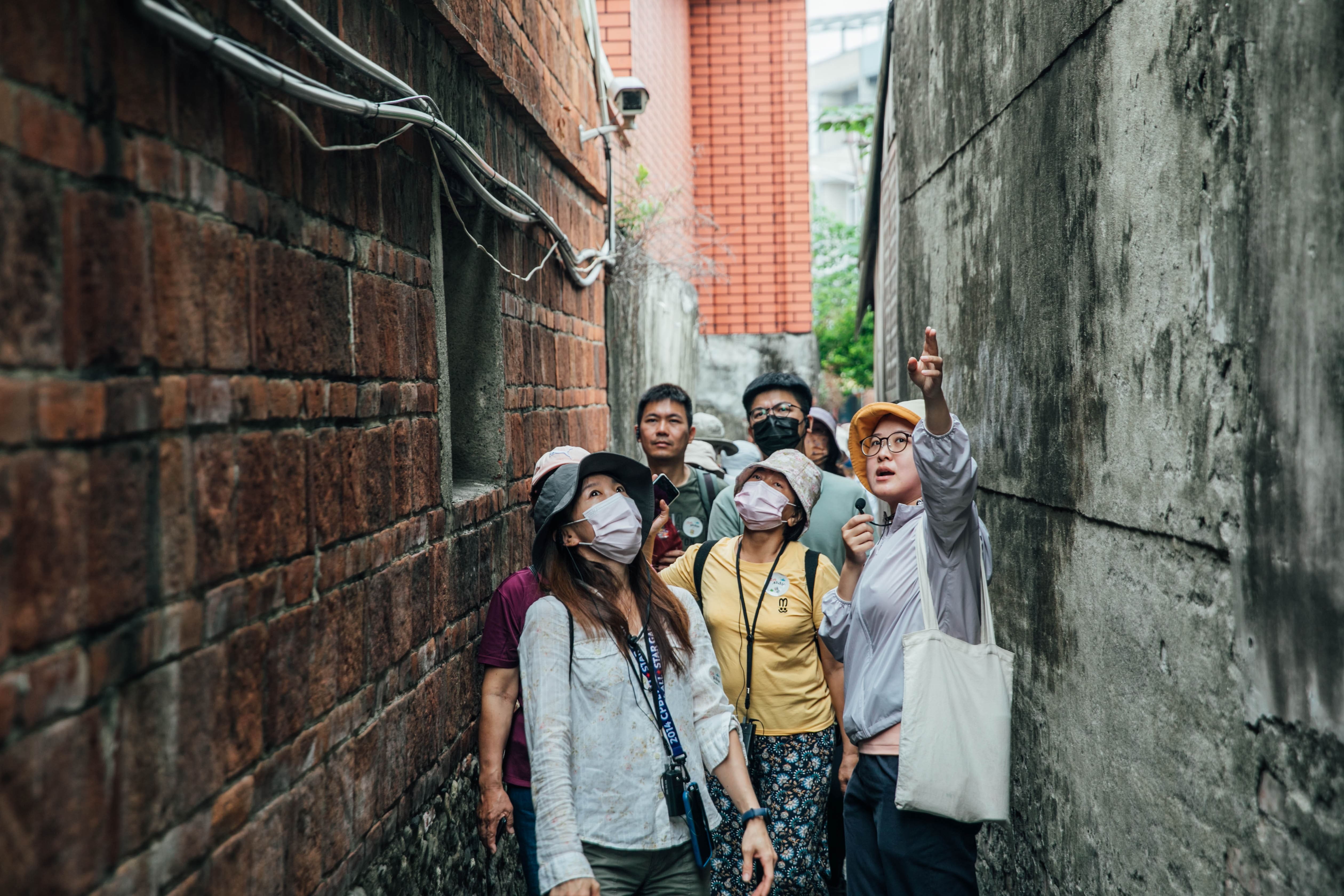
Chaozhou Township is located in the central part of Pingtung County. Nearly 300 years ago, it began to form as a village settlement from "Jianji Road Old Street," which reflects the initial intention of pioneering and the profound meaning of its name. "Chaozhou" is one of the few places that still uses a name derived from the mainland. Before there were formal historical records, this area was the territory of the Puyuma Makatao people. In 1726, during the Qing Yongzheng period, ancestors from Chaozhou Prefecture in Guangdong Province crossed the sea to reclaim land. Subsequently, residents from Fujian Province and other Chaozhou-Shantou areas moved in, gradually shaping the current settlement. Due to its geographical location, it became the main market center for surrounding settlements. During the Japanese colonial period, Pingtung County was a crucial base for Japan's imperial southward expansion policy, with the sugar industry being one of the primary sources of foreign exchange. Chaozhou, located in the central part of the Pingtung Plain, was further enhanced in importance by the Erfeng Irrigation System constructed by Tori Shintohei and the development of railway transportation. The southward expansion policy required many engineering personnel, prompting the Japanese to set up official residence systems in Chaozhou. After the war, these were taken over by the Third Engineering Office of the Directorate-General of Highways and used as staff quarters, known as Highway New Village. Jianji Road in Chaozhou, referred to by locals as "Old Street," is also the earliest place of development in Chaozhou, home to many traditional Chinese medicine shops, clinics, furniture stores, fabric shops, jewelry shops, and seed shops. In the early days, ancestors would come here to purchase daily necessities, and due to the flourishing commerce, many local specialty snacks emerged. "Cuisine" is the best entry point to understand a place. Why are Chaozhou's fried rice noodles red? Why is grass tea not called green grass tea? Why do we have beef soup? Many small towns in Taiwan also have distinct ethnic features, but Chaozhou's characteristic is its diverse cultural groups, such as the Puyuma "Lishan" reflected in its place names. The neighboring Paiwan people from Laiyi would often carry firewood down the mountain to exchange for fabrics and oil. Many people mistakenly believe that Chaozhou is a Hakka village; however, the early settlers actually spoke Chaozhou dialect rather than Hakka. There have been interethnic conflicts as well as intermarriages between indigenous and Han peoples, as well as the cultural influences of outside province military villages and new immigrants, all of which have intertwined to create modern Chaozhou. This small Chaozhou beautifully reflects the recent history of the beautiful island of Formosa. Chaozhou is small yet vibrant, showcasing the vitality of the local community. Our team operates an organic bookstore called "Kindergarten Little Bookroom," which originally was a closed kindergarten. In 2016, we transformed it into a family-friendly lodging and began participating in local activities, organizing interesting experiences, and planning local small trips. In 2024, we rethought and refocused our development direction, deciding to shift to operating the organic bookstore, aiming to open up the space and create more opportunities for exchange and interaction. We have always pondered what kind of vitality and elements have shaped Chaozhou's uniqueness. Therefore, in our quest to find and understand the soul elements of Chaozhou, we produced a publication titled "Searching for Beautiful Chaozhou" last year, and we will continue to explore and excavate in the future. ※ Search for Beautiful Chaozhou e-book - https://online.fliphtml5.com/fdoxn/tvbv/#p=1
 Chaozhou Old Street Walk - San Sheng Gong Temple
 Chaozhou Old Street - Chinese Opera Story Museum