Ximending Red House Introduction
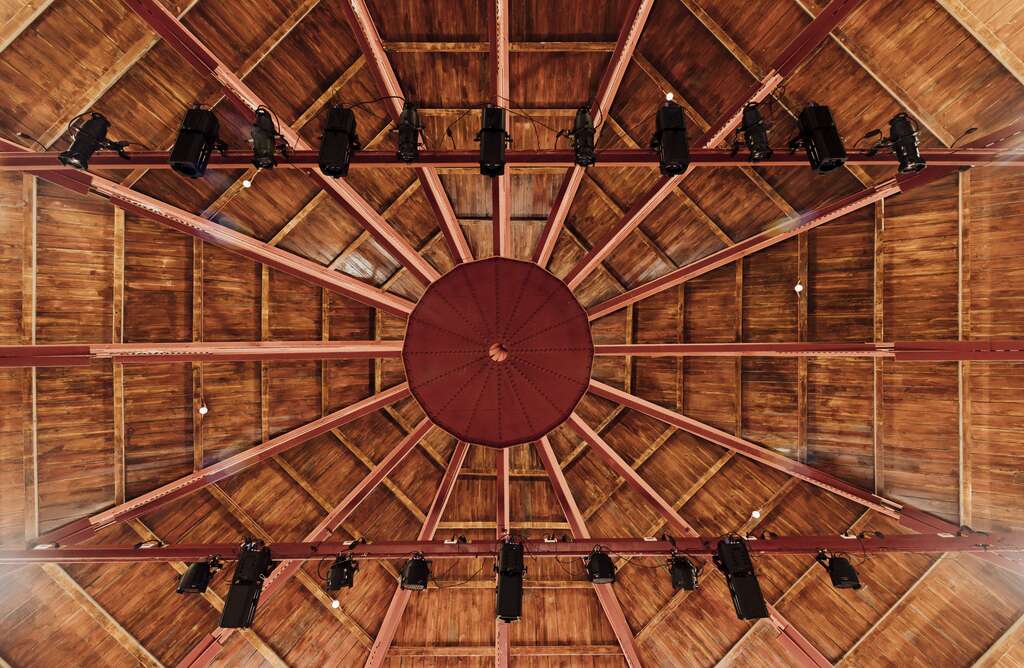
Ximending Red House was built in 1908 by Japanese architect Juro Kondo. Composed of an octagonal building and a cross-shaped building, it is Taiwan's first officially constructed public market and is currently the oldest and most well-preserved Grade III historical site in Taiwan. The octagonal building features a "Bagua" design, symbolizing the gathering of people from all directions as its entrance, while the cross-shaped building serves as its main architectural feature. Together with the adjacent North and South Squares, it is collectively referred to as the "Ximending Red House." Throughout its history, the Red House has transformed through various roles, including a market, a bookshop, a cinema, and a theater. Since 2007, the Cultural Affairs Bureau of Taipei City Government has commissioned the Taipei Cultural Foundation to operate and manage it, promoting it as a creative platform aimed at revitalizing the Ximending area. After more than a decade of operation, it has gradually accumulated cultural and creative energy, establishing itself as an iconic cultural and artistic hub in Taipei and even in Taiwan. The first floor of the octagonal building features exhibitions, dining, and retail spaces, including the tea house "Honglou Tea Room" for tea tasting and relaxation, as well as "Honglou Selection" showcasing selected Taiwanese goods. The second floor houses the quaint and unique professional performance venue "Second Floor Theater." The cross-shaped building includes the "Horizon of the River Ximending Red House Exhibition Hall," promoting the development of small creative industries, and the exhibition and sales space "16 Workshop." Additionally, the North and South Squares host diverse cultural experiences, including guided tours, creative talks, handmade workshops, weekend creative markets, and irregular exhibitions in the central exhibition area.