Ximending Introduction
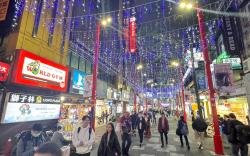
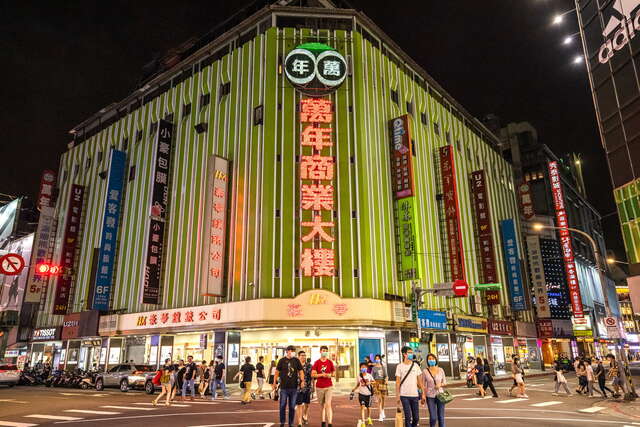
Ximending gets its name from the Japanese colonial era, when most residents lived within Taipei City, and the area outside the West Gate served as their main leisure spot. Initially, the primary commercial activity here was the cinema, and later, department stores and other entertainment venues began to establish themselves. After the completion of the China Commercial Center in 1961, Ximending became the largest commercial entertainment center in the country for a time. It is home to numerous famous landmarks and shopping areas, such as the colorful Rainbow Square popular for Instagram photos, the over 100-year-old Red House, the iconic Wanhua Commercial Building, and the American Street filled with American-style elements; it also features a variety of delicious foods, including Cantonese, Taiwanese, American cuisine, beverages, desserts, cafes, and bars. After a period of decline in the 1980s, Ximending transformed into Taipei’s first significant pedestrian area, driven by the impact of the MRT and government planning. During holidays, the area is always bustling with crowds, making the sidewalks and streets extremely crowded. Whether it's food, shopping, fashion, or entertainment, all sorts of trendy and interesting products can be found here, making it the liveliest street in Taipei. It is not only a gathering place for youth culture and street performances but also a popular dating spot for young people. American Street, next to Wuchang Street, is filled with American-style hip-hop fashion, unique outfits, and graffiti art, giving Taipei an exotic flair. Today, Ximending not only witnesses history but also leads a new generation of pop culture, where nostalgic middle-aged individuals reminisce about the past and trendy young people showcase their style, creating an exchange between completely different lifestyles and meeting the needs of diverse groups.