Erkan Traditional Settlement Preservation Area Introduction
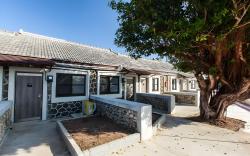
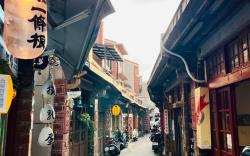
Erkan Village was designated by the Ministry of the Interior as the first traditional settlement preservation area in Taiwan in the year 2001. In recent years, the restored old houses have been fully utilized by the "Erkan Village Settlement Promotion Association," developing into various small exhibition halls with local cultural characteristics, including the Common Life Museum, Tide Pool Museum, Community Museum, Herbal Medicine Museum, Toy Museum, and Ballad Museum. Upon entering Erkan, what catches the eye the most is the old house walls adorned with ballads created by local residents, describing daily life or expressing romantic sentiments. Try reading them in Hokkien, and you'll definitely find it amusing. When hungry, you can visit the local store to eat "Tü-jen cake" and "Golden Pumpkin cake," and when thirsty, enjoy a cup of authentic almond tea. Within the quaint old houses, you can hear elderly grandmothers singing traditional ballads in their purest form, or engage in impromptu duet performances among several people, creating an incredibly creative and enjoyable experience. Around the late Ming Dynasty, Mr. Chen Yan-yi crossed the sea from Kinmen to Penghu, landing at present-day Dachi Village, and began a farming and fishing life at the foot of Guishan Mountain on the south side of Zhuwan. After settling down and starting a family, the family members gradually increased, leading to the decision to move to Erkan, near Zhuwan. During the Daoguang period of the Qing Dynasty, it gradually developed into a settlement. After the First Sino-Japanese War, traditional livelihoods no longer sufficed, leading many young people to leave their hometown to work in Taiwan, causing the village to decline gradually. The Chen family old house is the most representative ancient residence in Erkan, built in 1910 by brothers Chen Ling and Chen Bang, who prospered from operating a Chinese medicine business in Tainan and returned home to expand the original house. The luxurious layout of the "Three-Section House" is the only ancient house in Penghu and has been designated as a county cultural heritage site. The master designer of the old house was about 29 years old and came from Chidong Village. Observing the architectural details of the Chen residence, the overall building and its decorations, beams, and columns are creative, with elegant and vivid wood carvings, tiled paintings, and stone carvings. The layout gradually leads from the outside to the inside, following traditional housing construction techniques, ensuring safety and representing a blend of Eastern and Western architectural styles. In the traditional settlement of Erkan, children are seriously learning to write Spring Festival couplets inside the Chen family old house, while others carry red kites with "Good" and "Auspicious" characters, weaving through the traditional village. In the vast grassland of Erkan, they run alongside swaying kites, with the festive red of the New Year intermingling with the historical alleys of the old houses, perfectly complemented by the song "Searching for Plum Blossoms in the Snow," creating a harmonious scene. Remember? Yes! In 2001, McDonald's filmed an advertisement in Erkan, filled with the festive spirit. The vast grassland featured in the music video "Continuing Fate" by Golden Melody Award winner Janice Yan was also shot in Erkan. Moreover, her "Penghu Love Song" MV was filmed in Erkan, starting with the ballad of Yang A-Song, which has a unique melody sung in Hokkien: "Eighteen send you to Taiwan, your eyes red, mine red too; tears heavy as a pound, dropping onto the soil." This leads the audience, making the emotions of parting at that time feel vividly present, and the singing of ballads carries a nostalgic flavor.
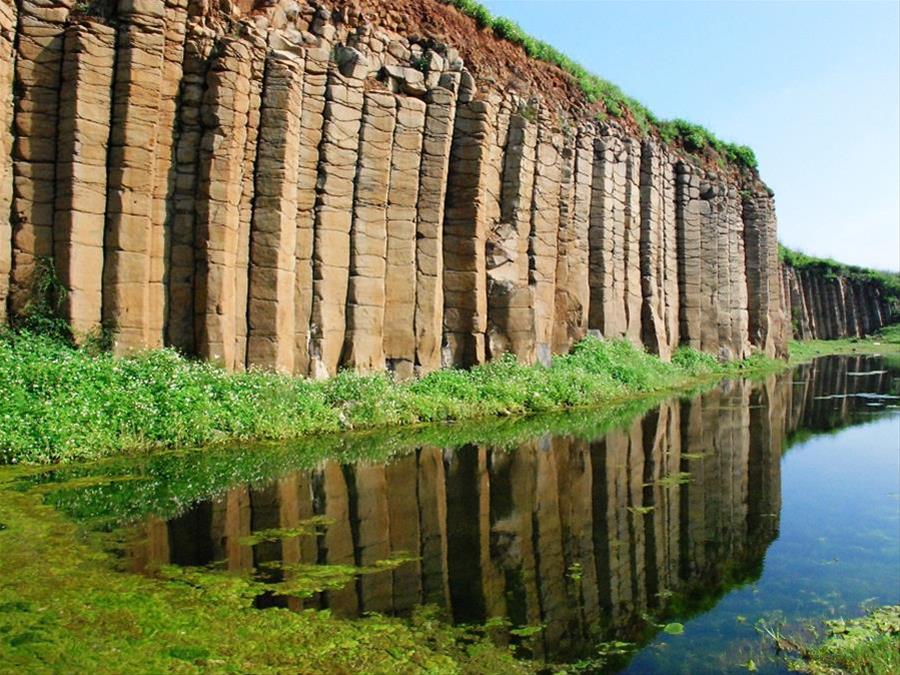
Erkan Traditional Settlement Preservation Area
Erkan Traditional Settlement Conservation Area