Dapeng Bay Fun Zone Introduction
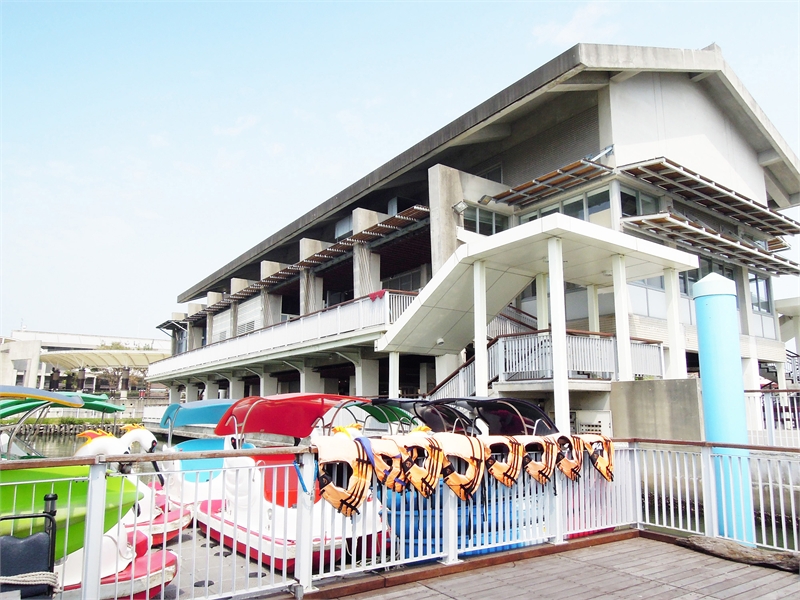
Dapeng Bay, formerly known as "Biexing Port," "Qieteng Port," "Guandi Port," and "Nanping Port," was referred to as "Datan" during the Japanese occupation. It became an important military site for the Japanese as they invaded Southeast Asia during World War II. After the Nationalist government relocated to Taiwan in 1949, it was renamed "Dapeng Bay." Dapeng Bay is formed by the sediment brought from the upstream Linbian Creek and Donggang Creek, which, through ocean currents and monsoons, created a beach accumulation phenomenon. The area covers 532 hectares, making it the largest single-mouthed lagoon in Taiwan. To preserve this unique natural lagoon landscape, the Dapeng Bay National Scenic Area Administration was established in 1997, becoming the fourth national scenic area under the Ministry of Transportation and Communications' Tourism Bureau. In 2000, the "Xiaoliuqiu Scenic Area" was incorporated into the Dapeng Bay National Scenic Area for tourism development needs. The main recreational spots at Dapeng Bay include the Hengchun Peninsula Tourism Service Center, Qinzai Coastal Recreation Area, Dapeng Bay Ocean Leisure Zone, and the Dapeng Bay Circular Bike Path. Visitors can take a yacht around Dapeng Bay to enjoy the mangrove ecosystem and visit "Oyster Shell Island" to explore the oyster farming legends of the Dapeng Bay waters. Future plans for Dapeng Bay include the construction of a racetrack, international tourist hotels, themed visitor areas, a golf course, and a marina, making Dapeng Bay an "international water leisure resort."