Luchang Village Introduction
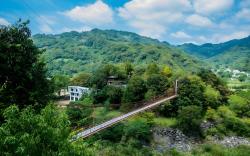
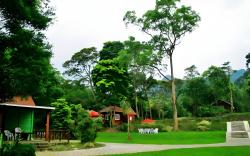
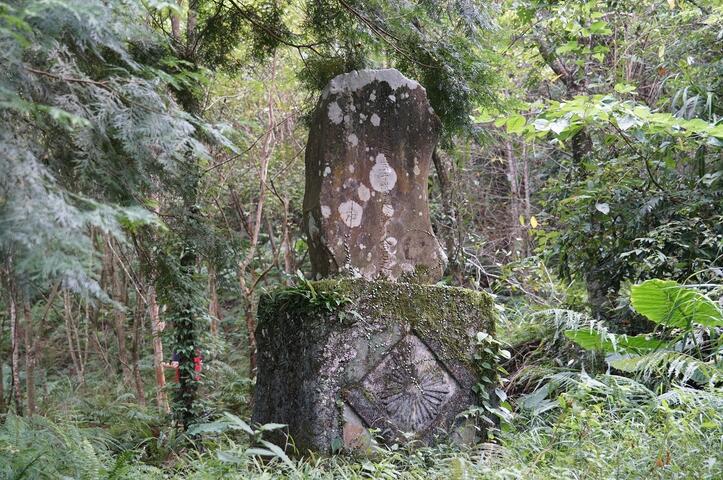
Originally named "Jubus" in the Atayal language, it is a gathering tribe of the Atayal people. The Atayal are one of the indigenous tribes of Taiwan, second in population only to the Amis tribe. They mainly reside in mountainous and riverine areas, which not only facilitate defense but also provide easy access to water. A few years ago, a car commercial rediscovered the simple and elegant beauty of Luchang, whose unpretentious charm is its greatest attraction. The inhabitants here are primarily Atayal, and during the Japanese colonial period, over three hundred residents from Fengmei Community and Hoholl Lake Community were present, with facilities including an elementary school, a police station, a post office, and a trading company. Due to a tectonic shift and safety concerns, all residents relocated to Donghe Village, making Luchang a sparsely populated place. Currently, older buildings can still be seen on the mountain, while the school from the Japanese era has been dismantled. The Atayal in this area mostly migrated from elsewhere, with origins from the Makanaqi system, including the Xikaluo group, the Jinakiki group, and the Luchang group of Morira. Investigations show that the current Atayal residents originally lived on both sides of the northern ridge extending from the Xueshan Mountain range, with the tribe located on a gentle mountainside or terrace flanked by two small tributaries, situated at the headwaters of the Xikaluo River along the upper reaches of the Shangping River. The northern boundary features the Minyu Mountains, while the south extends to the long ridge of Luchang Mountain leading to Zateng Mountain, all of which are ancestral lands. After the end of World War II, some indigenous people who were "forcibly relocated" returned to their ancestral lands, but due to inconvenient transportation and living conditions, most remained settled here. Tribal Features - The Jialishan Mountain Trail is 5.8 kilometers long, with remnants of railway tracks from the forestry era along the route. The summit features a first-class triangulation point, offering a distant view of the Xueshan Sacred Ridge and Luchang Mountain. Tribal Features - The landscape of Shenshian Valley is magnificent and beautiful, with boardwalks, pavilions, and suspension bridges available for walking. From the suspension bridge, visitors can overlook the famous "Shenshian Twin Waterfalls." Tribal Features - The Japanese Police Memorial is located on the hillside behind the old site of Luchang Elementary School. The Japanese faced fierce resistance from the tribe during the development of mountain forest resources, resulting in severe casualties among the police. In Showa 10 (1935), this monument was erected to commemorate those who fell in Luchang. Tribal Features - Kuhuatan is about 1 kilometer from the Luchang tribe, with its waters sourced from Fengmei Creek. It is a stunning hidden gem with waterfalls nestled in the valley, providing a very healing natural retreat. The clear deep pool has become a popular spot for summer creek play, with many visitors engaging in river tracing and diving activities. To maintain and enhance tourist safety and quality, stone paths and steel bridges have been added following adjustments to the terrain. Safety ropes are installed along the slope of the trails, and resting platforms and interpretive facilities are provided at appropriate locations.