Beimen Tourist Center

Tainan Attractions

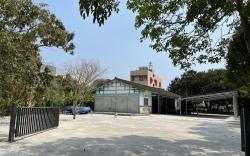
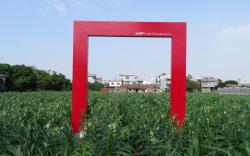
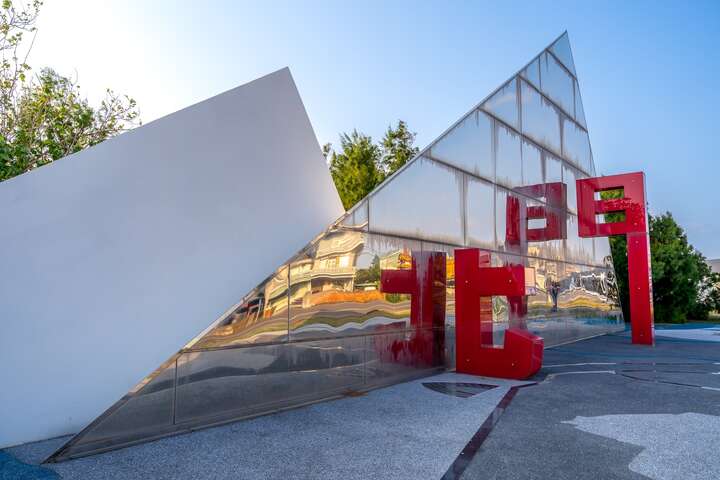
北門遊客中心入口意象
北門遊客中心入口意象

The Beimen Visitor Center, located in the Beimen District of Tainan City, was transformed from the old warehouse complex on the southwest side of the Beimen Salt Washing Factory, preserving the gable roof shape of the original building, which holds historical and cultural value. The visitor center introduces the main attractions in the scenic area from north to south based on the concept of geographical zoning, showcasing the rich local tourism resources through different themed sections, including "Salt Industry History," "Wetland Ecology," "Religious Culture," "Local Industry," and "Literature and Arts." It offers many impressive facilities both inside and outside, making it not just a point of service for tourists but also a must-visit place with natural ecology and historical scenery in Beimen. One of the main highlights of the visitor center is the skeleton specimen of a sperm whale displayed in the center of the building. In 2005, local residents discovered the huge visitor that had stranded on the sands of Wangye Port. Due to its enormous size and weight, it was initially buried on-site. After excavation, specimen production, and touring exhibits in various parks and museums, it returned to Beimen in 2009, becoming a significant attraction in the Beimen Visitor Center.

Address:No. 200, Beimen Li, Beimen District, Tainan City 727

Beimen Tourist Center Introduction

The Beimen Visitor Center, located in the Beimen District of Tainan City, was transformed from a group of old warehouses on the southwest side of the Beimen Salt Washing Factory, preserving the gable roof design of the original building, which holds historical and cultural value. The visitor center introduces the main attractions of the scenic area from north to south based on geographical divisions, showcasing the rich local tourism resources through different thematic areas, including "Salt Industry History," "Wetland Ecology," "Religious Culture," "Local Industries," and "Literature and Arts." Numerous outstanding facilities are available both inside and outside the center, making it not just a service point for tourists but also a must-visit destination in Beimen, where nature and history converge. One of the highlights of the visitor center is the massive sperm whale skeleton displayed at the center, discovered by the residents of Beimen in 2005, after it was stranded on the shores of Wangye Port. Due to its enormous size and weight, it was initially buried on-site, but was later excavated, preserved, and exhibited in various parks and museums. In 2009, it returned to Beimen and became the treasured centerpiece of the Beimen Visitor Center. The mysterious spiritual beauty of the visitor center is enhanced by the works of an amateur artist known as Hong Tong, who is hailed as the "Eastern Picasso." His unique painting style is rich in spiritual and mysterious colors, and these artworks are used to decorate the east windows and west exterior walls of the visitor center. Hong Tong's works are known for their intricate textures and vibrant colors, allowing visitors to experience a strong artistic atmosphere in the external space, while fostering a deeper understanding of local artistic creation. The installation art "When the Sea Returns, This Family" received the American Muse International Design Award. This installation is located in a former salt field, surrounded by the early salt worker residential area. To blend with the environment, the design extends the visual elements of the living characteristics and life experiences of a traditional salt worker family's members, including the father, mother, eldest son, and youngest child, while incorporating elements of literary poetry and environmental change issues into the creation. This artwork aims to convey how this barren, salt-laden land has nurtured many classic literary works, industries, and talents in Taiwan.

Recommended Hotel Bookings