Fengshan Chenghuang Temple Introduction
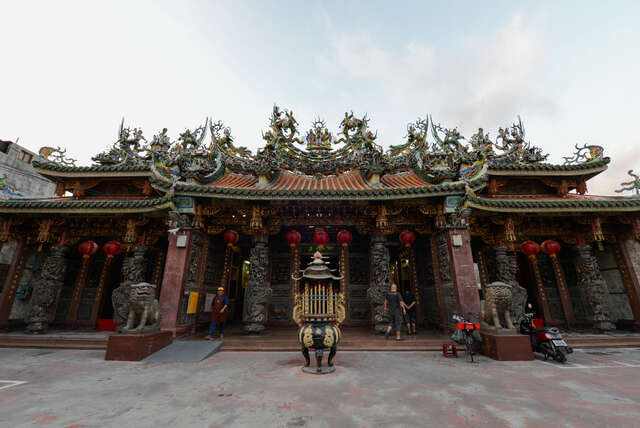
Fengshan Chenghuang Temple was built in the fifth year of the Jiaqing era of the Qing Dynasty and has a thriving incense offering. As you enter the temple, you can see two unique artifacts: the "You Are Here" wooden plaque and the "Great Abacus." The "You Are Here" indicates that everyone must eventually report to the City God, and it is characterized by strong, vigorous strokes; the "Great Abacus" represents a meticulous accounting of one’s merits and sins throughout their life. Additionally, the imposing City God sits on the altar in the main hall, while the four great catchers and civil and military judges stand watch between the dark temple columns, surrounded by admonitory couplets that inspire awe. Although Fengshan Chenghuang Temple is not large in size, its intricate carvings, resplendent decorations, and majestic appearance have led the public to regard the City God as a deity who clearly distinguishes between good and evil and grants requests. People worship sincerely and deeply rely on this belief. Even today, when there are difficult disputes in the community, parties often come here to make a vow by offering a chicken head. Devotees come in an endless stream, and the incense continues to flourish, making it a center of local faith.