Zhishan Cultural Ecological Green Park Introduction
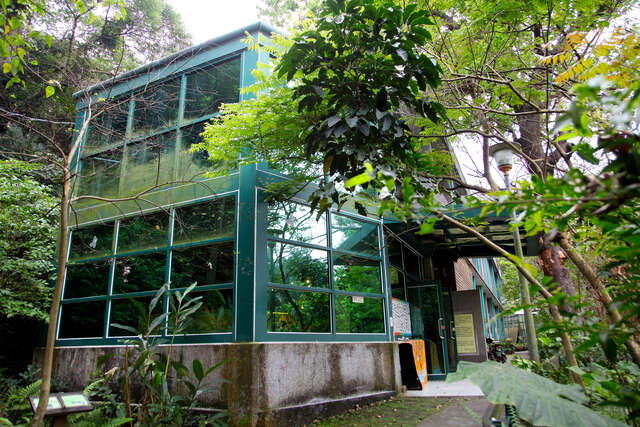
Zhishanyan has archaeological pits that have uncovered human remains dating back approximately 2,500 years, holding many important treasures and archaeological resources. Over 6,000 years, it has developed into seven cultural layers of relics, making it a living archaeological classroom. In 1896, the Zhishanyan Incident occurred when anti-Japanese militia attacked Japanese teachers. After the restoration of Taiwan, it also served as a military base for the intelligence agency. Recently, under the planning of the Taipei City Cultural Bureau, the former ammunition depot has been renovated into an exhibition hall. Visitors can enjoy the natural trails of Zhishanyan and also visit the exhibition hall to understand the cultural background of Zhishanyan and explore the deepest secrets of Taipei City. The Zhishanyan Exhibition Hall combines the natural ecology and geological landscape of Zhishanyan. The first floor features physical exhibition rooms: geological models that clearly show the textures and variations of the strata; a model of the entire area provides a bird's-eye view of Zhishanyan; and reconstructed pottery models illustrate the evolution of tools used by ancient people, from rough to refined. The first floor has many explanatory panels, such as a prehistoric archaeology corridor that introduces the history and discoveries of archaeology, as well as ecological information about animals and plants, geological explanations, and biological interpretations, inviting the public to learn about the story of Zhishanyan. The second floor features classrooms that incorporate multimedia, including a DIY classroom for creative hands-on activities, and a screening room for ecological films at irregular intervals. Additionally, there is a small news anchor experience booth for children to enjoy the fun of reporting news. The establishment of the exhibition hall is the first step in preserving the culture of Zhishanyan, as it aims to evoke the public's appreciation and affection for this land throughout the visit, which is the most important value of the exhibition hall.