Zhishan Park Introduction
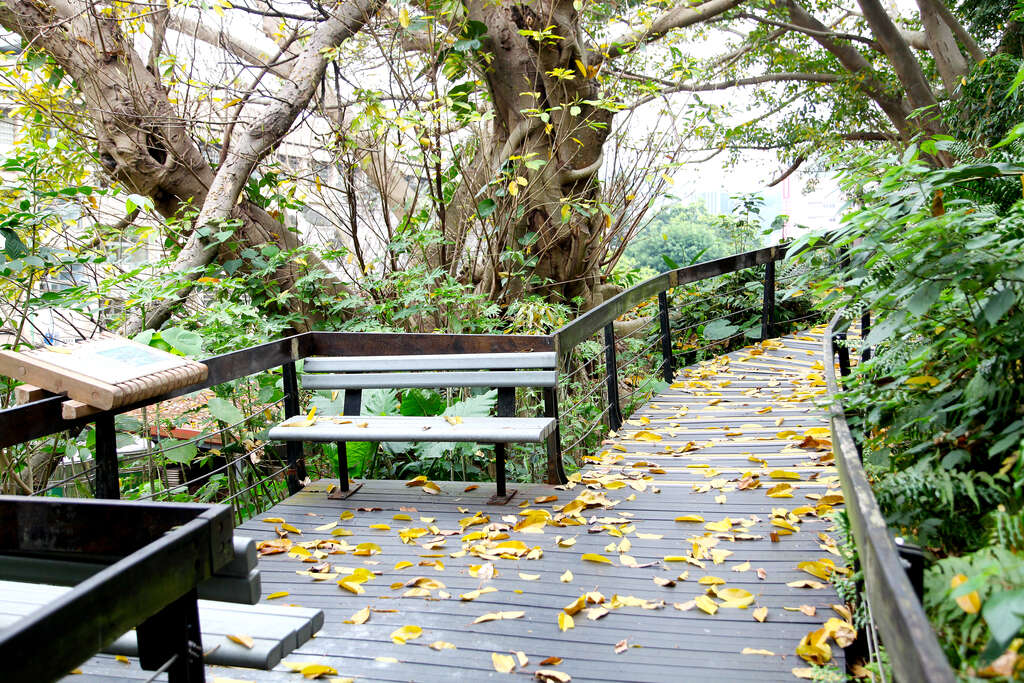
Located at the intersection of Section 1, Zhicheng Road and Yusheng Street in Shilin District, nestled along the banks of the Shuangxi River, is a large natural park rich in ecological diversity and cultural heritage. The park's name comes from the immigration of settlers from Zhangzhou, Fujian during the Kangxi period of the Qing Dynasty, who settled in the Tamsui North and Shilin areas; the park's terrain resembles that of Mt. Zhishan in Fujian. The park encompasses several prehistoric cultures, including the Dabankeng, Zhishanyan, and Yuanshan cultures, as well as historical cultures from the Qing Dynasty, Japanese occupation, and the Nationalist Government period, making it rich in cultural heritage. Within the park lies a century-old temple, Huiji Temple, established in the 17th year of the Qianlong reign, now 260 years old, designated as a third-class historical site by the Ministry of the Interior in 1979. The temple primarily enshrines the Kaizhang Shengwang. Due to the park's long-term protection as a historical site, it retains many old trees, including a 300-year-old camphor tree beside the Yunan Reading Room, which is a treasure of the park. Additionally, the park's terrain and landscape, shaped by long-term weathering, give rise to numerous natural sights such as Elephant Rock, Wormhole, Onion Rock, Stone Man, and Snake Frog Rock, all of which serve as rich geological teaching materials. (Text source from Taipei Parks)